Aeration & Overseeding

A thick, healthy lawn starts below the surface. Our core aeration and overseeding service relieves compaction so air, water, and nutrients reach the root zone again, while premium seed fills thin areas and improves density.

4.8 rating out of 126 reviews
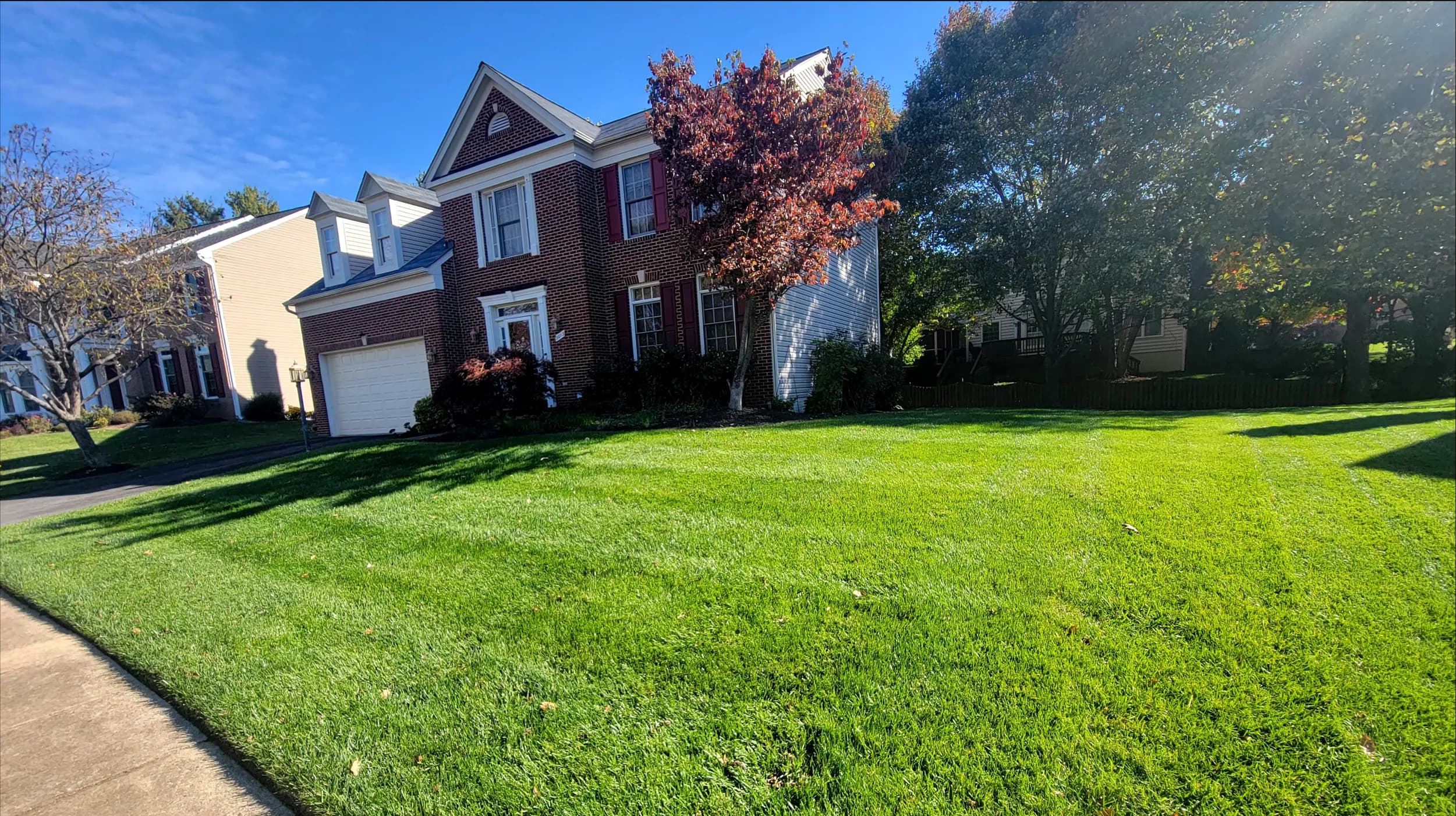
Simply Turf technician operating a stand-on Stinger aerator with seed box on a freshly striped lawn

Why do Northern Virginia lawns need core aeration?

Most lawns here sit on heavy clay, and clay compacts. Core aeration pulls thousands of small soil plugs out of the lawn so air, water, and fertilizer can reach the root zone again. Without it, roots stay shallow and the turf keeps thinning no matter how well you feed it.

Every footstep, mower pass, and heavy storm packs clay a little tighter and squeezes out the pore space roots depend on. Compacted clay sheds rain instead of absorbing it, crusts over by mid-July, and confines roots to the top inch or two of soil, the layer that dries out first in August.

New lawns often start out behind. Grading strips the topsoil, construction equipment packs the subsoil, and a thin layer of fill and sod goes over the top. That is why we find dense ground under young lawns in Bristow and, more gradually, under established yards around Gainesville. A few signs your soil is tight:

  • Water puddles or runs downhill instead of soaking in
  • Thin, worn strips along walkways, play areas, and pet paths
  • A screwdriver will not push 6 inches into the soil by hand

When should you aerate and overseed in Northern Virginia?

Late August through October, with mid-September to mid-October the sweet spot. The soil is still warm enough for fast germination, air temperatures are falling, fall rain helps with watering, and weed pressure is fading. Our guide on when to aerate and overseed in Northern Virginia walks through the timing in detail.

Fall seeding also gives new grass two growing seasons before its first summer. September seed roots through the fall, rests over winter, and grows hard through the cool spring. Seed sown too late just sits in cold soil, so we schedule early and pair the visit with fall organic-based fertilization.

Spring seeding fails here, and we would rather tell you that than sell the work. An April seedling gets about eight weeks of decent weather before the heat arrives, with roots still in the top inch of soil, and brown patch on young fescue in a humid July usually finishes it by Labor Day.

Core aeration versus spike aeration

Core aeration removes plugs of soil, while spike aeration only punches holes with a solid tine. In clay, spiking backfires, because the displaced soil packs sideways and compacts harder along the wall of every hole. On the tightest soil we pair aeration with compost topdressing, which changes the structure of the clay instead of relieving it for a season.

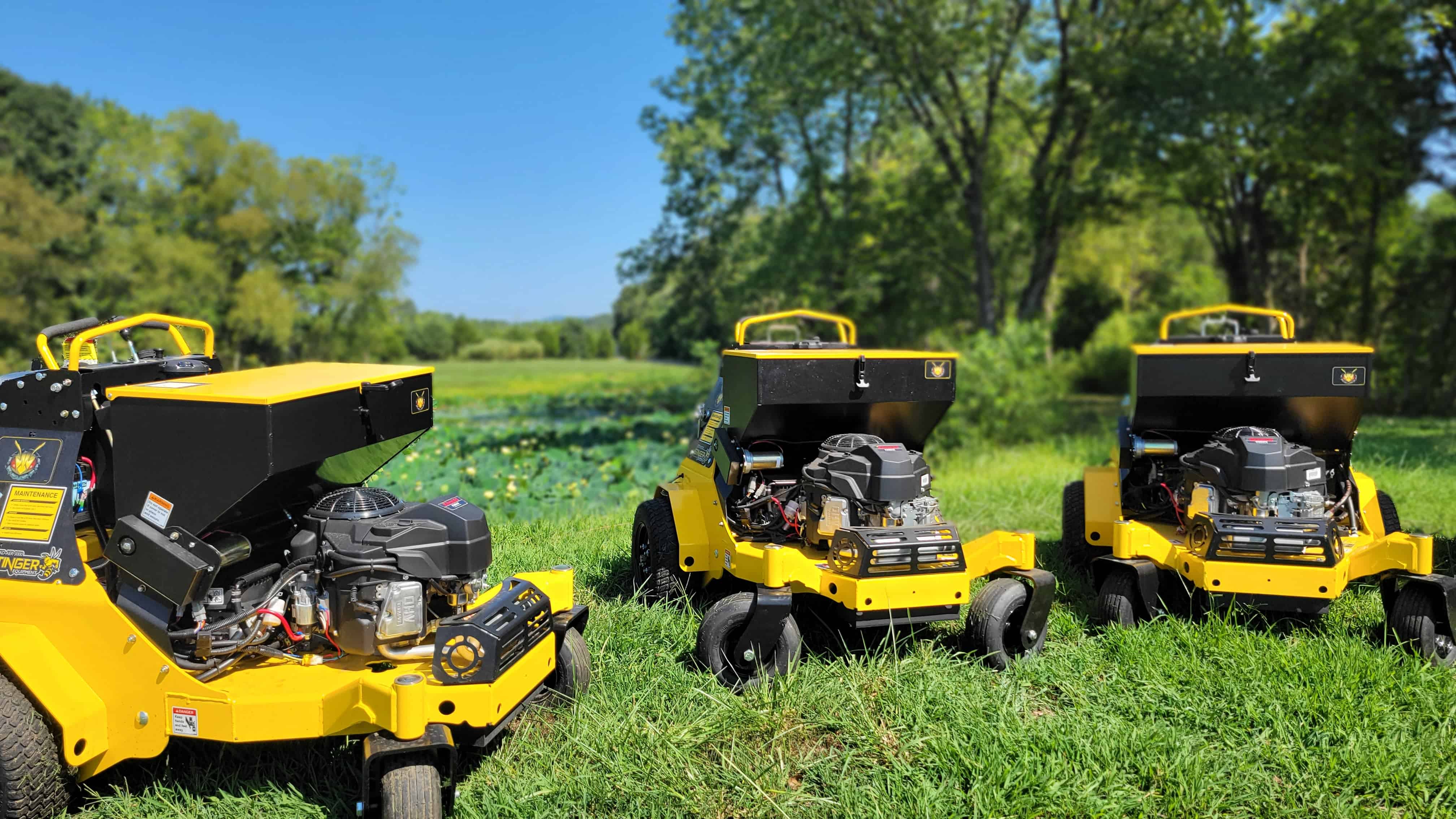
Those open cores are also why we seed the same day, using ride-on aerators with seed boxes so the cores come up and the seed goes down in one pass. Seed that lands inside a hole rests against moist soil, sheltered from wind and birds, while seed on thatch or baked clay tends to sprout and then dry out before it roots.

A second pass is not a better job. Walk-behind machines often cannot pull real cores in this clay, so 'double aeration' is usually a workaround that then drives over the plugs. Our guide on whether double aeration is a good thing covers the equipment difference.

Why does tall fescue need overseeding every year?

Tall fescue needs yearly overseeding because it is a bunch grass. Each plant grows as a clump from a single crown and never spreads sideways, so when heat, disease, or traffic kills one, nothing moves in to fill the gap. The spot stays bare or becomes a weed, and that yearly thinning is normal, not your fault.

Kentucky bluegrass spreads by rhizomes and can repair its own thin spots, but it handles heat and drought worse than turf-type tall fescue, which is why fescue dominates around here. Our tall fescue lawn care guide covers the trade-offs. Overseeding also upgrades your lawn's genetics, since newer varieties resist brown patch and drought better than seed bred fifteen years ago.

We use blue-tag certified seed, inspected for purity and free of weed seed, applied at a generous rate matched to how thin the stand is. The blend is built from improved turf-type tall fescue varieties chosen for disease resistance and summer survival in our transition-zone climate. Density is also cheap weed control, since crabgrass needs bare, sunlit soil to get started, which is why overseeding and pre-emergent weed control belong together.

How long does new grass seed take to fill in?

Tall fescue germinates in roughly 7 to 21 days, depending on soil temperature and steady moisture. Seed that goes into warm mid-September soil usually shows its first thin blades within a week to ten days, while seed sown into cool late-October soil can take closer to three weeks.

Germination and fill-in are two different things. The first blade up is hair-thin, and it needs the rest of the fall plus the following spring to tiller and push more shoots from its crown before it looks like turf. Expect visible improvement inside a month, the honest full result after a growing season, and two consecutive falls of seeding on a badly thinned, shaded, or hard-clay lawn.

How should you water and mow after overseeding?

Water lightly and often, and keep traffic off the lawn. The service takes a couple of hours, but the two weeks after decide whether it works. New seed needs the top quarter inch of soil to stay damp continuously, which calls for short, frequent watering rather than deep soaking. A seed that germinates and then dries out does not recover.

Hold off on pre-emergent crabgrass control before overseeding, because it stops seed from establishing and cannot tell crabgrass from tall fescue. Ours goes down in spring, when soil hits 55°F at two inches, typically mid-March to early April, so it is long gone by fall. Our Northern Virginia lawn care calendar maps out the whole year. Tell us if another company applied one later in the season.

Keep leaves off the new turf, since a matted layer will smother seedlings. That is a real issue on the older tree-lined lots we treat in Ashburn and Haymarket. Steady feeding the following year keeps the density you paid for. For the full prep checklist, watering schedule, and mowing timeline we give every scheduled customer, see our aeration and overseeding FAQs.

  • Before we arrive, clear leaves and flag irrigation heads and fence lines
  • Days 1 to 14, water lightly daily, twice when hot or windy, and keep mowers and traffic off
  • For the first mow, use a sharp blade, cut at 3 to 4 inches, and never take more than a third off
Aeration & Overseeding in Action

We use state-of-the-art Stinger ride-on aerators with seed boxes to achieve the best results
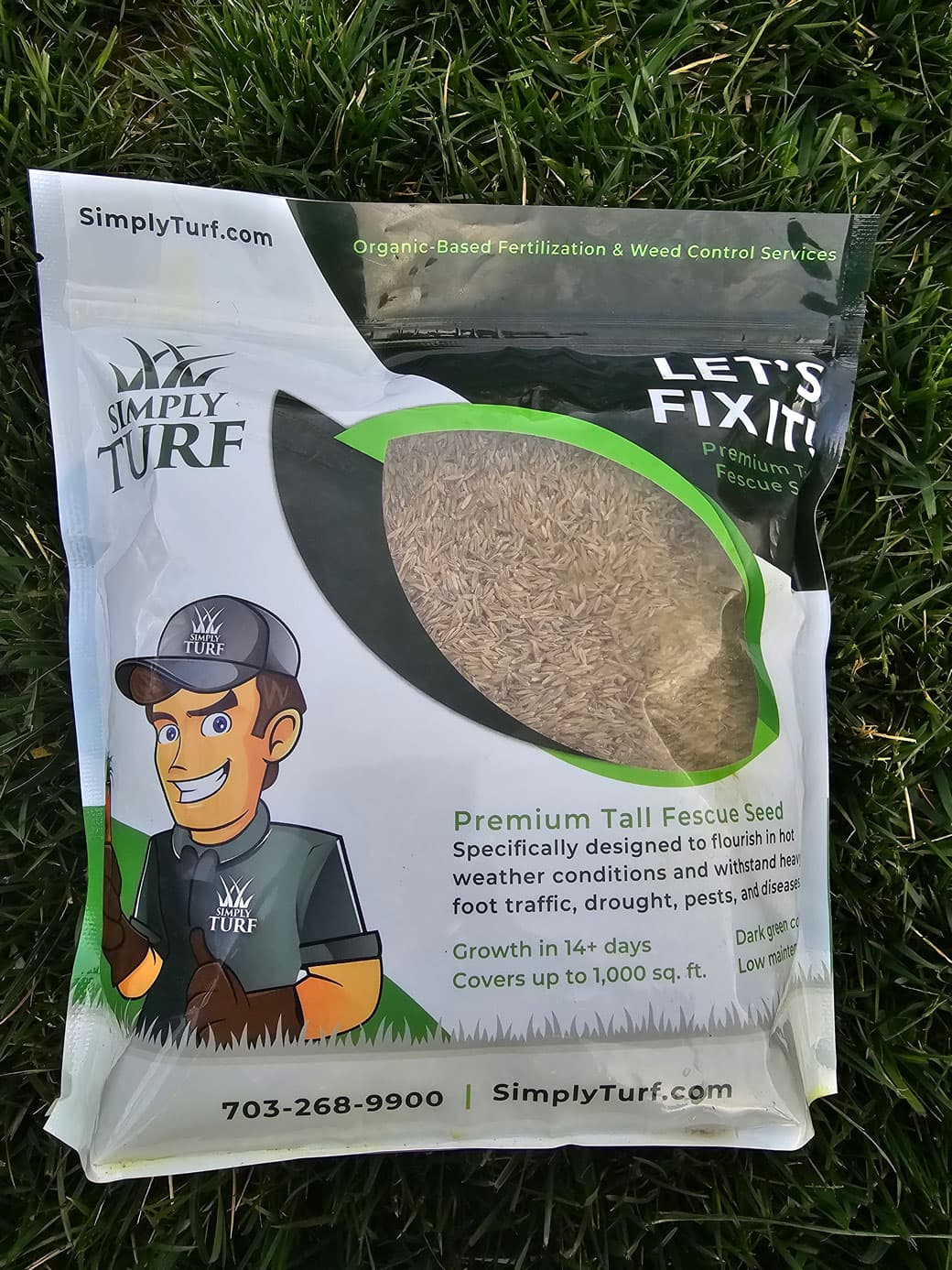
We leave a complimentary bag of seed to touch up any bare areas as the new grass fills in
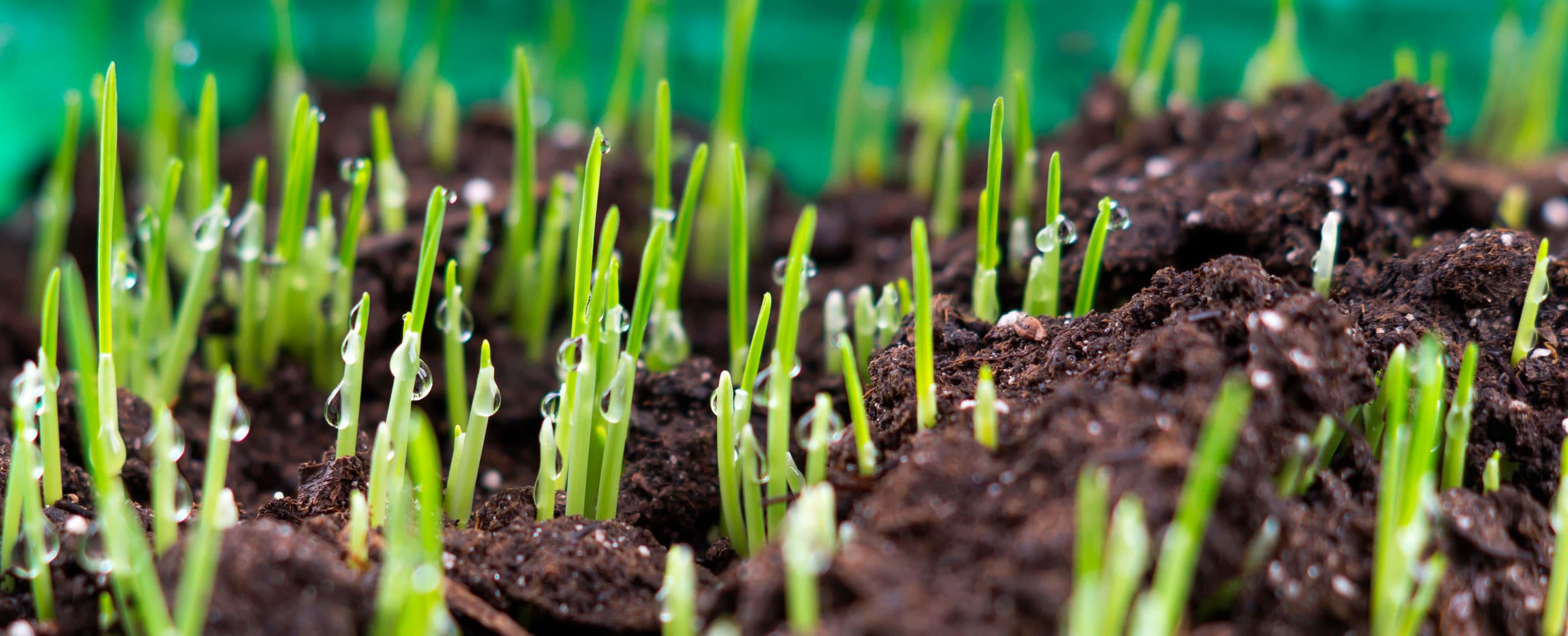
New grass germinating after fall aeration and overseeding

FAQs

Aeration & Overseeding FAQs

Everything you need to know at a glance

Most Northern Virginia lawns do, because tall fescue loses plants every summer and heavy clay recompacts within a season. If your lawn is thick, growing in decent soil, and holding up through August, every other year is fair. Compacted clay, heavy shade, or active thin spots call for annual aeration, and we will tell you honestly which situation you have.

No, leave them. The cores break down within a couple of weeks under normal rain and mowing, returning soil and microbes to the surface as a thin natural topdressing, so raking them off removes part of what you paid for. They look messy for a week or so, and that is expected.

We notify you via email the Friday before your scheduled service week and again the morning of your service. We ask that you unlock any gates and remove obstructions from the lawn to allow our technicians to efficiently service your property.

Yes, all our products are EPA-approved and safe for kids and pets when used as directed. Our technicians are all licensed by the state of Virginia to safely apply these products.

No, you don't need to be home. We will complete the work as scheduled and leave a door hanger and yard sign. You will also receive a post-service email that will contain any special instructions should there be any.

No, all our services are contract-free. You pay as you go.

Fertilization & weed control services

100% Satisfaction Guarantee

We take pride in our work, and if for any reason you're not 100% happy, we won't rest until the issue is resolved. If you're still not completely satisfied after our best efforts, we'll refund your most recent fertilization and weed control service. We stand behind our work and believe that you'll love what we do.

Patrick Klippen, owner of Simply Turf

Patrick Klippen

Owner of Simply Turf

Free quote

Get a Quote Today & We'll Send Our Free Lawn Care Guide

  • 100% satisfaction guarantee — we don't rest until you're happy
  • Rated 4.8 out of 5 from 126+ local reviews
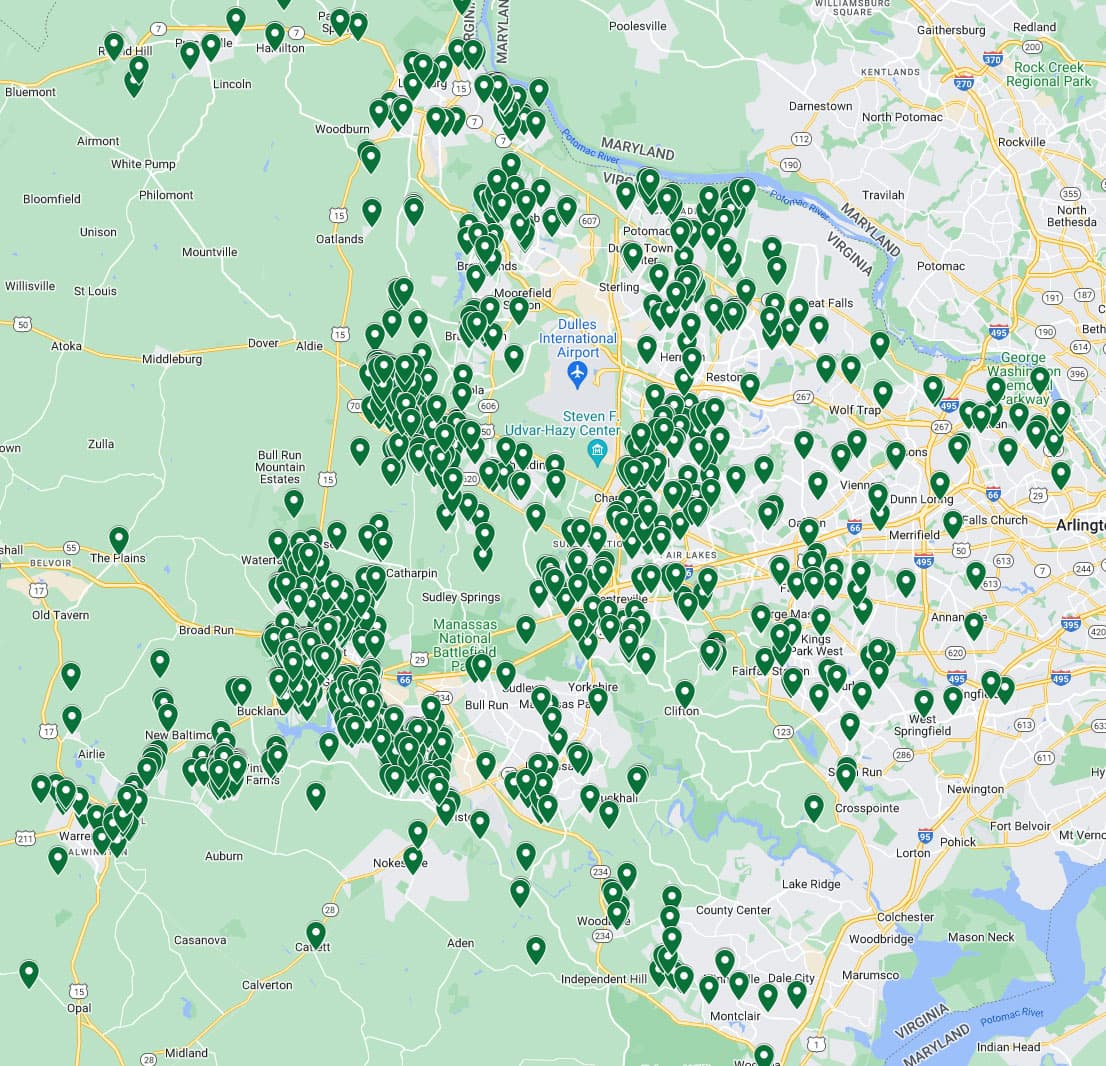
  • Local to Gainesville, VA — serving Loudoun, Fairfax, Prince William & Fauquier Counties

We typically respond in 30 minutes or less

Prefer to talk? Call or text (703) 268-9900

What services are you interested in? *

Pick aeration & overseeding on its own and we'll show your price range instantly from county lot records.

No contracts. No spam. We'll send our free lawn care guide with your quote.