
Customer resource
Aeration & Overseeding FAQs
Everything you need to know before and after your aeration and overseeding visit — how to prepare, how to water, when to mow, and how to get special instructions to our crew.
Before your visit
How to Prepare Your Lawn
Good news: there's almost nothing to do. One thing is required, and the rest is common sense.
Required: mark your irrigation system & underground dog fence
Our aerators pull soil cores 1 to 3 inches deep depending on soil conditions. Marking irrigation heads and invisible pet-fence lines before we arrive ensures your property isn't damaged during the service. Marking flags are inexpensive at any hardware store.
Mow first only if the grass is overly tall
A normal cut helps seed reach the soil. No need to mow it low or scalp it.
No straw or topsoil needed
Core aeration disrupts the soil surface enough on its own for strong seed-to-soil contact and germination.
You don't need to be home
Just leave gates unlocked so the crew can reach the whole lawn.
Day of service
What We Do During the Visit
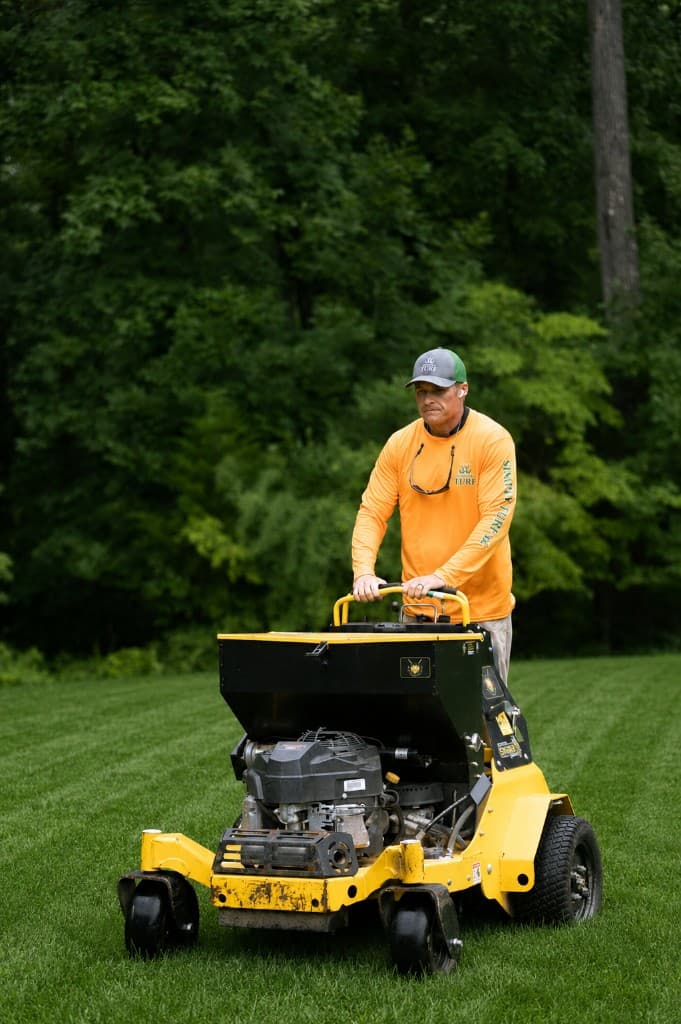
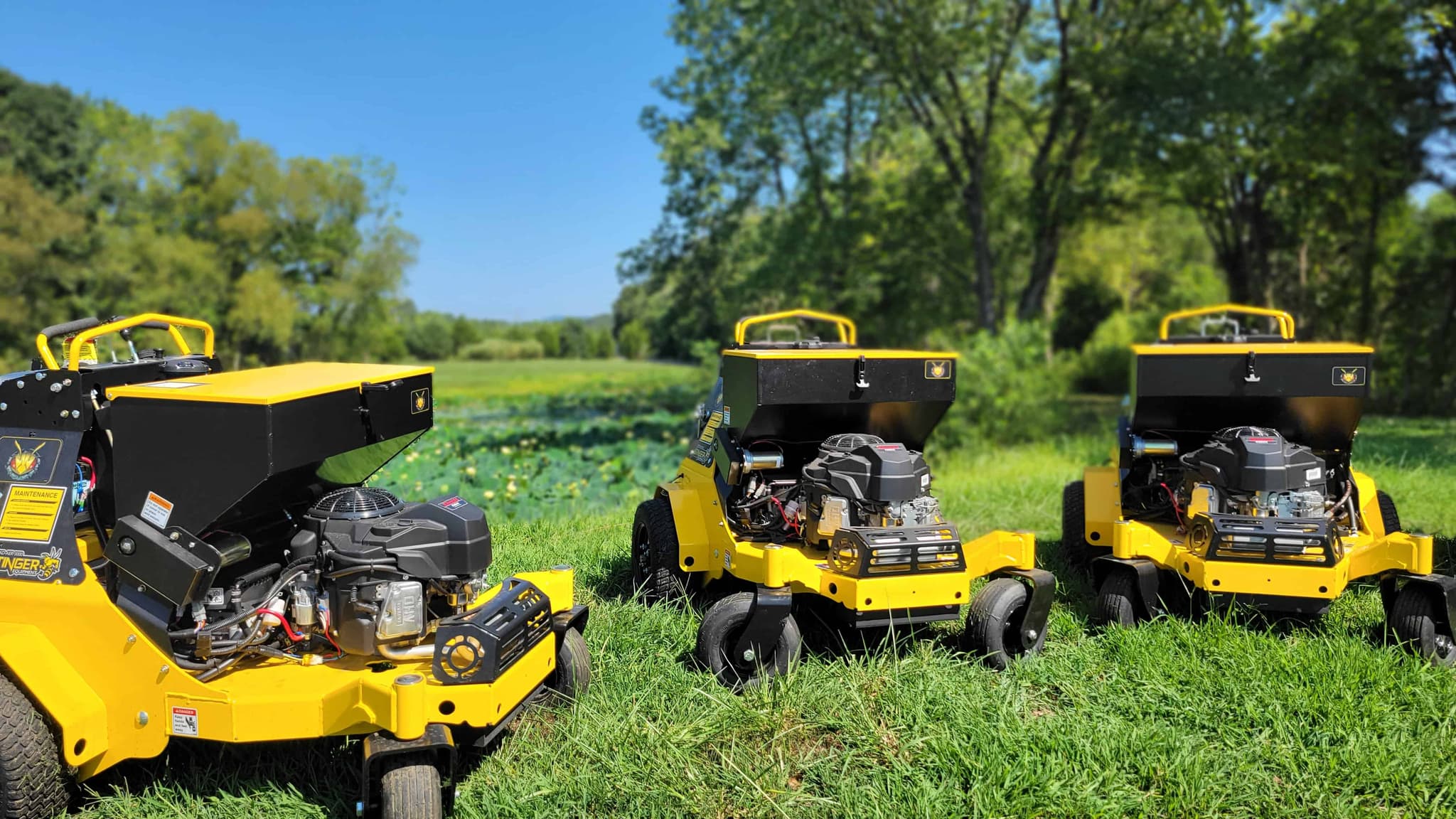
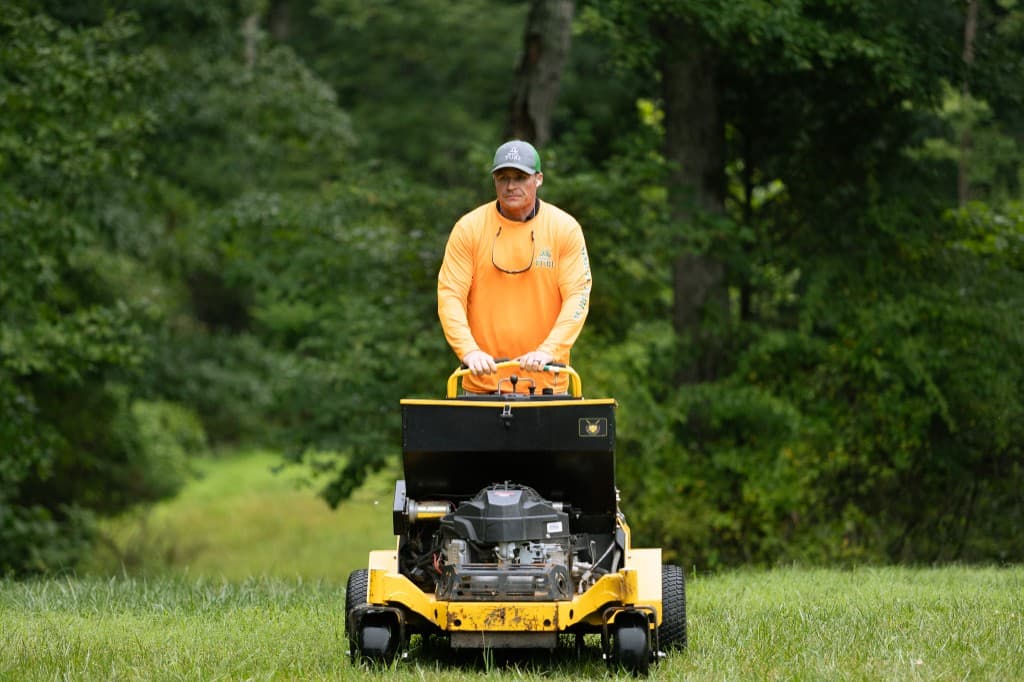
We run stand-on core aerators with built-in seed boxes across your lawn, pulling thousands of soil cores 1 to 3 inches deep depending on soil conditions and applying premium tall fescue seed in the same pass. Seed drops into the open holes, where it rests against moist soil — protected from wind and birds — which is exactly the seed-to-soil contact that drives strong germination.
Leave the soil plugs where they land. They break down within a couple of weeks under normal rain and mowing, acting as a thin, natural topdressing. Curious about the deeper why? Our aeration & overseeding service page covers it, and so does our guide on whether double aeration is a good thing.
The two weeks that decide everything
Watering Instructions After Seeding
The service takes a couple of hours, but the two weeks after decide whether it works. Keep the seed consistently moist and you'll see germination — it's that simple.
Water twice per day for two weeks
Two short cycles a day for the two weeks after the service gives the best results. The goal is not volume — it's keeping the seed consistently moist so it germinates.
Rain counts
If it rains during that stretch, you can skip that watering. Nature's cycle does the job just as well.
Use an automated hose-bib timer
An inexpensive hose timer ensures no waterings get skipped. Set it once and let it run — consistency is what gets seed out of the ground.
Expect germination in about 7 days
With successful watering and warm fall soil temperatures, you should start seeing new grass after about a week, with fill-in continuing over the following weeks.
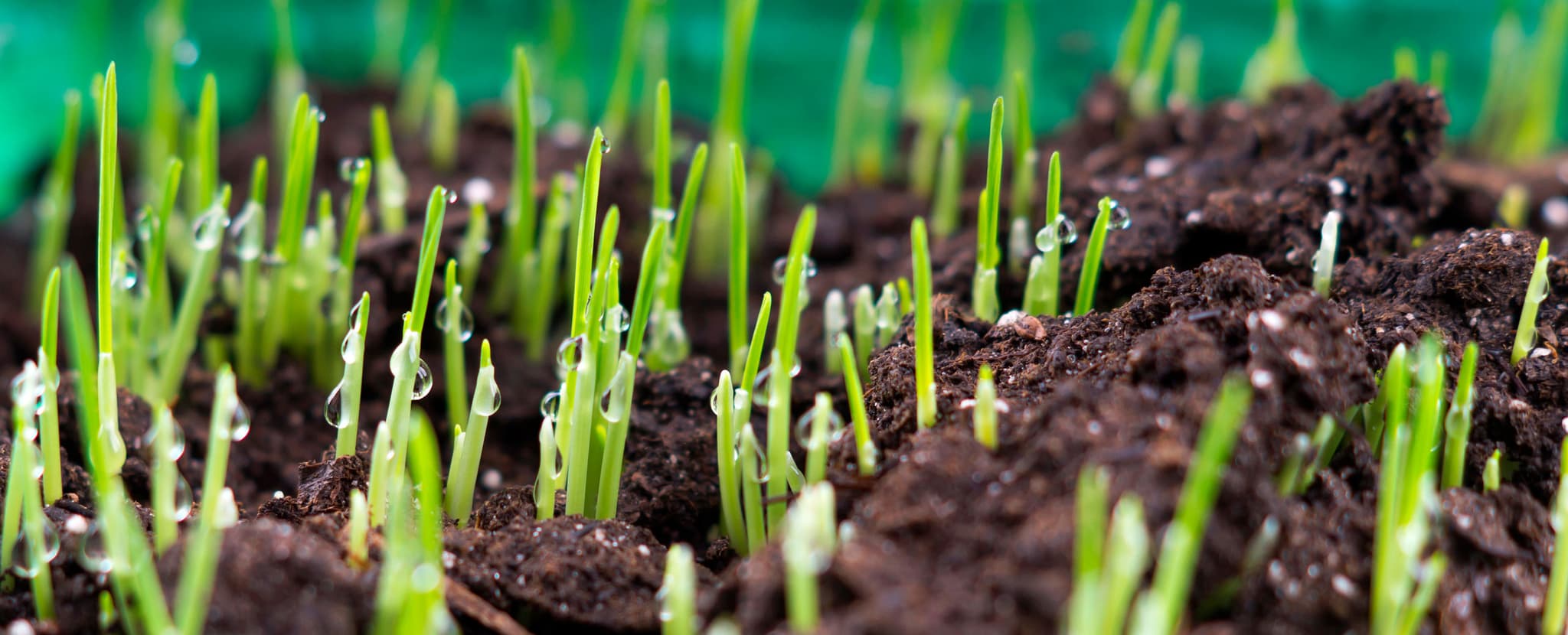
Consistent moisture, not volume — this is what your seed looks like about a week after the service.
After the service
Mowing, Touch-Ups & Your Free Bag of Seed
First mow after about three weeks
Use a sharp blade, cut at 3 to 4 inches, and never take more than a third of the blade off. If you're establishing a new lawn, it may benefit you to skip a mowing or two — but use common sense. If the existing turf needs a cut, cut it. If one area is filling in, skip that area and mow the rest.
We leave a complimentary bag of seed
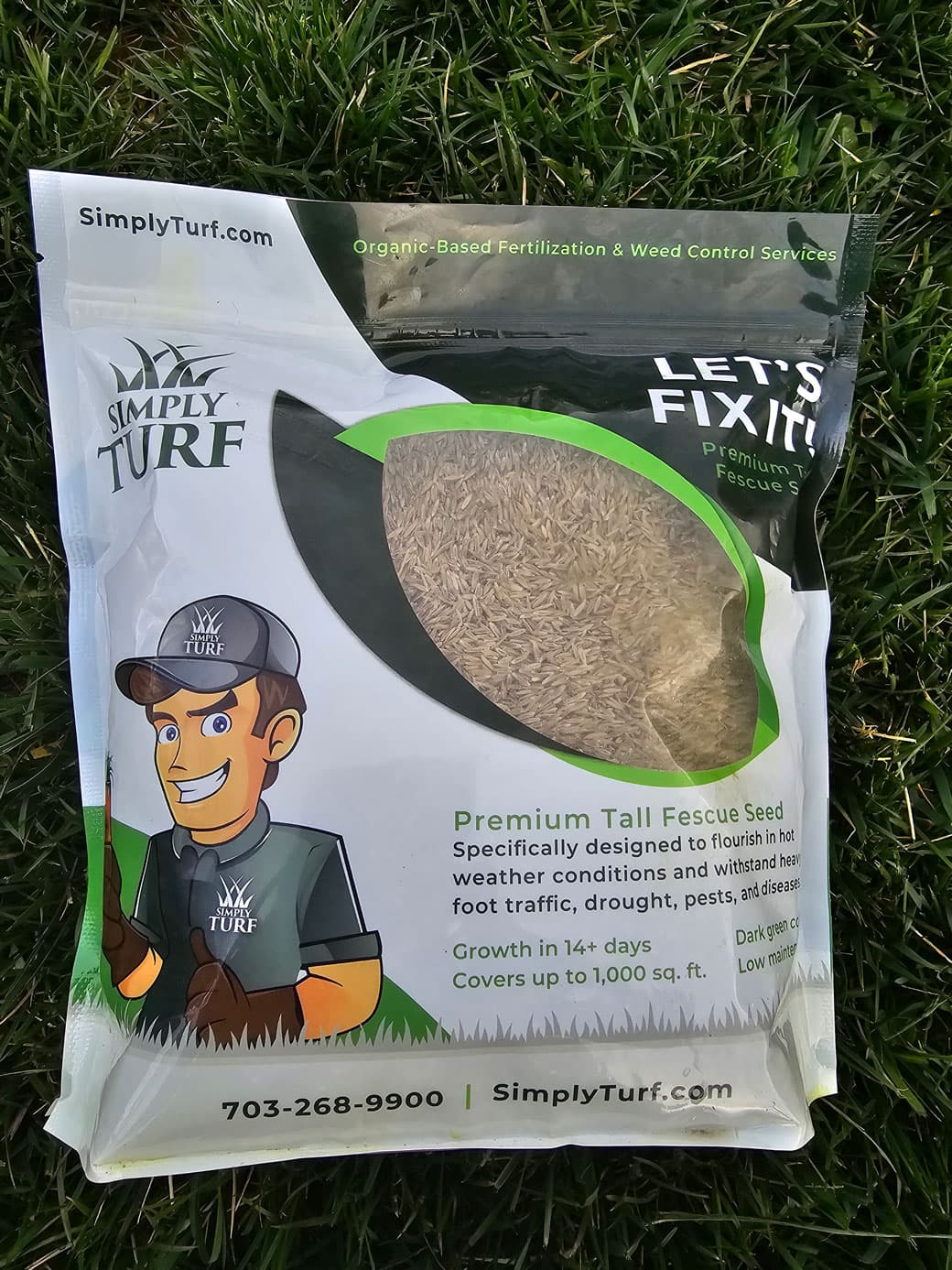
It's for touching up any areas as the new grass fills in. Just put it in your garage — if you see any bare spots over the next few weeks, that's what it's there for.
Questions at any time? Just reach out
Call or text (703) 268-9900 and you'll get a real answer from someone who seeds lawns for a living. Our guide to aeration and overseeding timing goes deeper on the whole process.
Frequently asked questions
Aeration & Overseeding, Answered
The 15 questions we hear most before and after a seeding visit.
Very little. Mark your irrigation heads and any underground dog fence (that part is required), give the lawn a mow beforehand if the grass is overly tall, and that's it. No need for straw, topsoil, or anything else special before the visit.
Yes — we require our customers to mark irrigation systems and underground (invisible) dog fences before the visit. Our aerators pull soil cores 1 to 3 inches deep depending on soil conditions, and marking is what ensures your property isn't damaged while we work. Marking flags are inexpensive at any hardware store.
Only if the grass is overly tall — in that case, give it a normal mow beforehand so the seed can reach the soil. There's no need to mow it low or scalp it.
No. Core aeration successfully disrupts the soil surface on its own, creating the seed-to-soil contact that improves germination rates. The cores we pull break down over the lawn like a light, natural topdressing, so straw and extra soil aren't needed.
No. As long as our crew can access the lawn — gates unlocked — and your irrigation and pet-fence lines are marked, you don't need to be home.
We run stand-on core aerators with built-in seed boxes across the lawn, pulling soil cores 1 to 3 inches deep depending on soil conditions and applying premium tall fescue seed in the same pass. Seed drops into the open holes, where it rests against moist soil, protected from wind and birds. Our aeration and overseeding service page covers the agronomy in more depth.
No, leave them. The cores break down within a couple of weeks under normal rain and mowing, returning soil and microbes to the surface as a thin natural topdressing. They look messy for a week or so, and that is expected.
Water twice per day for the two weeks after the service for best results. If it rains that day, you can skip a watering. The objective is not to put out a lot of water — the whole idea is to keep the seed consistently moist so you'll see germination. Short, frequent waterings beat deep soakings while seed is establishing.
We recommend it. An automated hose-bib timer is inexpensive and ensures you don't skip any waterings — consistency is what gets seed to germinate. Set it for two short cycles a day and let it run for the full two weeks.
With successful watering and warm fall soil temperatures, you should expect to start seeing germination after about 7 days. Fill-in continues over the following weeks as the new grass thickens. Our guide on when to aerate and overseed in Northern Virginia walks through the whole timeline.
You should be able to give your turf its first mow about three weeks after the service. Use a sharp blade, cut at 3 to 4 inches, and never take more than a third of the blade off. If you're establishing a new lawn, it may benefit you to skip a mowing or two. Use common sense: if the existing turf needs a cut, go ahead and cut it, and if just one area is filling in, you can skip that area and mow the rest of the lawn.
That's a complimentary bag of our premium tall fescue seed for touching up bare areas as the new grass fills in. Just put it in your garage — if you see any bare spots over the next few weeks, that's what it's there for. Scatter some seed and keep the spot watered.
Keep foot traffic as light as you reasonably can for the first two weeks. New seedlings are fragile, and the seed needs to stay in contact with moist soil to establish. After the first mow, normal use is fine.
Late August through October, with mid-September to mid-October the sweet spot — warm soil for fast germination, cooler air, and fall rain to help with watering. The Northern Virginia lawn care calendar maps out the whole year.
Fill out the special instructions form at the bottom of this page. Our office will receive your notes and add them to your account so the technician is aware of any particular concerns at the time of service. You can also call or text us anytime.
Licensed, local crews seeding Northern Virginia lawns every fall.
Still have a question?
Talk to a real, local person — no phone trees, no pressure.
Call or text (703) 268-9900Send crew instructionsExisting customers
On the Schedule & Have Special Instructions?
If you're on the schedule for aeration and overseeding and have special instructions for our crews, fill out this form. Our office will receive your notes and include them on your account, so the technician is aware of any particular concerns you have with your lawn at the time of service. Want to request a preferred service window too? Use our aeration scheduling page.
- Whether you have an irrigation system or underground dog fence
- Gate codes, access notes, and areas to focus on — or stay out of
Prefer to talk? Call or text (703) 268-9900