Weed Control for a Healthier, Greener Lawn

A thick, healthy lawn is the best defense against weeds. Weed control is built directly into our Turf Care Program, allowing us to prevent weeds before they emerge and control existing growth throughout the year.

4.8 rating out of 126 reviews
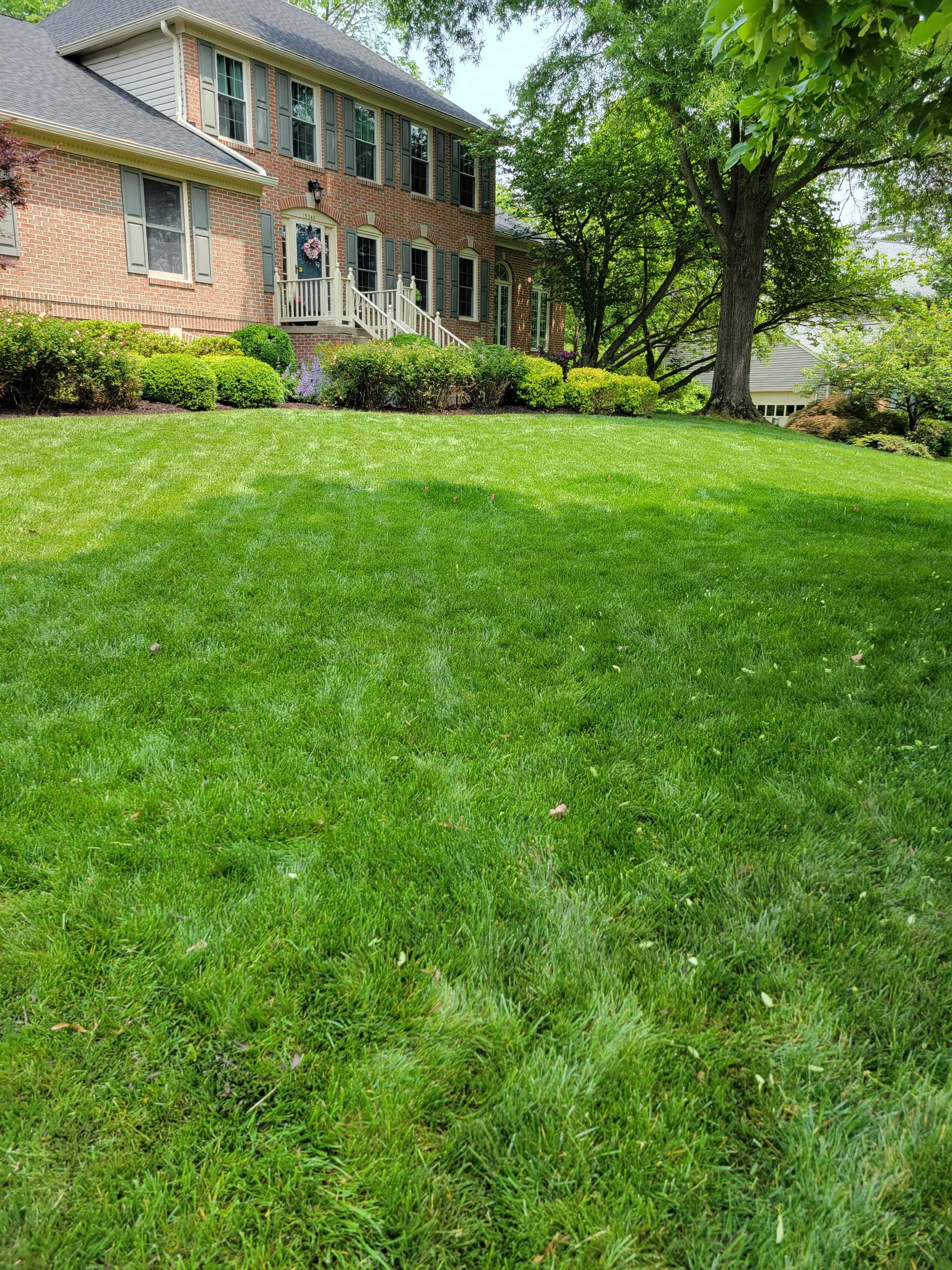
Weed-free backyard maintained by Simply Turf

When should pre-emergent be applied in Northern Virginia?

Pre-emergent goes down when the soil temperature two inches deep holds near 55 degrees for several days, which here usually means mid-March to early April. That is the point where crabgrass seed breaks dormancy, so we track soil temperature locally rather than working from the lawn care calendar alone.

The window shifts a week or two from year to year, and it even varies within a single property. Driveway strips and south-facing slopes warm up first because pavement holds heat, while heavy clay stays cold longer. In Gainesville and Haymarket, a cold, wet March pushes the timing later than most homeowners expect.

Timing errors hurt in both directions:

  • Apply too early and the barrier breaks down before germination is over
  • Apply too late and the seed has already sprouted, so pre-emergent does nothing

Why does crabgrass keep coming back?

Crabgrass keeps coming back because one spring application does not last all season, and the seed bank in your soil does not empty out in a year. Each plant drops a heavy load of seed that waits in the top inch of soil for the next warm spring.

The barrier itself is not permanent either. Heat, rain, and soil microbes break it down, and in a humid Virginia summer it can thin out by midseason, right as a second flush of crabgrass germinates. That is why we split the treatment into one application at the soil temperature trigger and another several weeks later.

Crabgrass needs light on bare soil, so it takes over thin edges and the scorched strip along the driveway long before it touches dense turf. Our guide to crabgrass prevention in Northern Virginia covers the full life cycle and treatment schedule.

How do you get rid of Japanese stiltgrass?

Getting rid of Japanese stiltgrass takes a well-timed spring pre-emergent, targeted post-emergent treatment, and removal of whatever escapes. It is an annual, so everything hinges on stopping it before it sets seed in late summer.

Stiltgrass is not crabgrass, even though the two get confused. Crabgrass wants sun and heat, while stiltgrass wants shade, damp low ground, and the thin turf under mature trees, so lots that back up to woods or a stream buffer get it worst. It is common on shaded properties in Reston, and because it reseeds from the woodline, a correctly treated lawn can be reinfested from across the property line.

Plan on the work taking more than one season. The seed stays viable in the soil for years, so the realistic goal is steady reduction, with thicker turf leaving less open ground each year. Our guide to getting rid of Japanese stiltgrass covers identification and timing.

What about clover, dandelion, plantain, and nutsedge?

Broadleaf weeds get post-emergent applications, and fall is the best time to treat them. From September through November, perennial weeds pull carbohydrates down into their roots for winter and carry the herbicide with them, so the treatment kills the root instead of just burning off the top. Spring treatment works too, but the repeat offenders tend to return in the same spot every year.

These weeds also tell you something about the lawn. Heavy clover points to low soil nitrogen, since clover fixes its own nitrogen and outcompetes underfed grass, and a consistent lawn fertilization program takes that advantage away. Plantain lines up along walkways because it tolerates compaction that fescue cannot root through.

Nutsedge is a different problem. It takes over the low spots that stay soggy, and because a sedge is not a true grass, most weed products miss it entirely. Pulling it backfires, since it regenerates from underground tubers, so control means a sedge-specific product applied while it is actively growing, usually more than once.

If the drainage and compaction underneath stay the same, the nutsedge returns. On the flat, heavy-clay lots around Bristow, core aeration and compost topdressing do more for nutsedge than another round of spray.

Why is thick turf the best weed control?

Turf density is the most effective weed control on a Northern Virginia lawn. Nearly every weed we treat needs light hitting bare soil, so when the fescue is thick enough that no sunlight reaches the ground, most weed seed never gets started.

That is why we do not sell weed control as a standalone fix. Tall fescue is a bunch-type grass that does not creep sideways to fill bare ground the way Kentucky bluegrass does, so thin areas stay thin until new seed goes in.

  • Core aeration and fall overseeding between late August and October is how thin turf gets fixed
  • Spring seeding usually fails, because seedlings lack the root depth to survive their first Virginia summer
  • Pre-emergent blocks grass seed too, so seeding and treatment timing get planned together
  • Mowing at three and a half to four inches shades the soil and suppresses crabgrass on its own

What does a weed control visit include?

Every visit pairs granular fertilizer with targeted liquid weed control, so the lawn gets fed and defended on one schedule. Applications are made under a Virginia pesticide business license by a VDACS certified applicator, and owner Patrick Klippen holds a horticulture degree and has spent 15+ years in the industry.

The products are safe for kids and pets once dry, there are no contracts, and if treated weeds have not died back in about two weeks we come back and retreat at no charge. Weed control is part of the Turf Care Program, which runs visits roughly every six to eight weeks across the season, with pre-emergent weighted toward spring and post-emergent spot treatment continuing on every visit after that.

  • Pre-emergent timed to soil temperature and split to extend the barrier
  • Post-emergent for broadleaf weeds, plus targeted work on stiltgrass and nutsedge
  • Organic-based slow-release granular fertilizer at every visit to build density
  • Guidance on mowing height, watering, and seeding timing for your lawn

Lawn Weed Control in Action

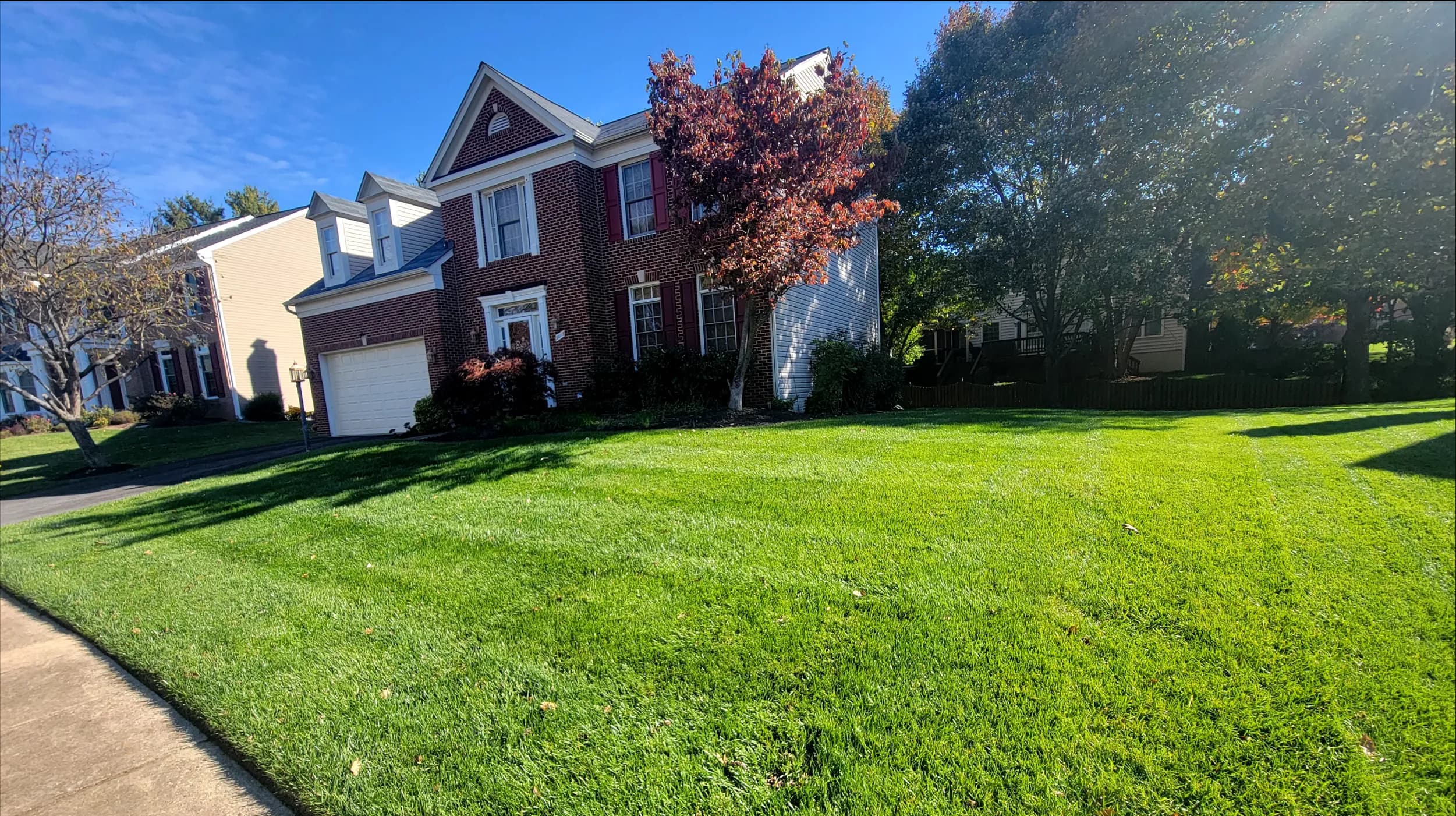
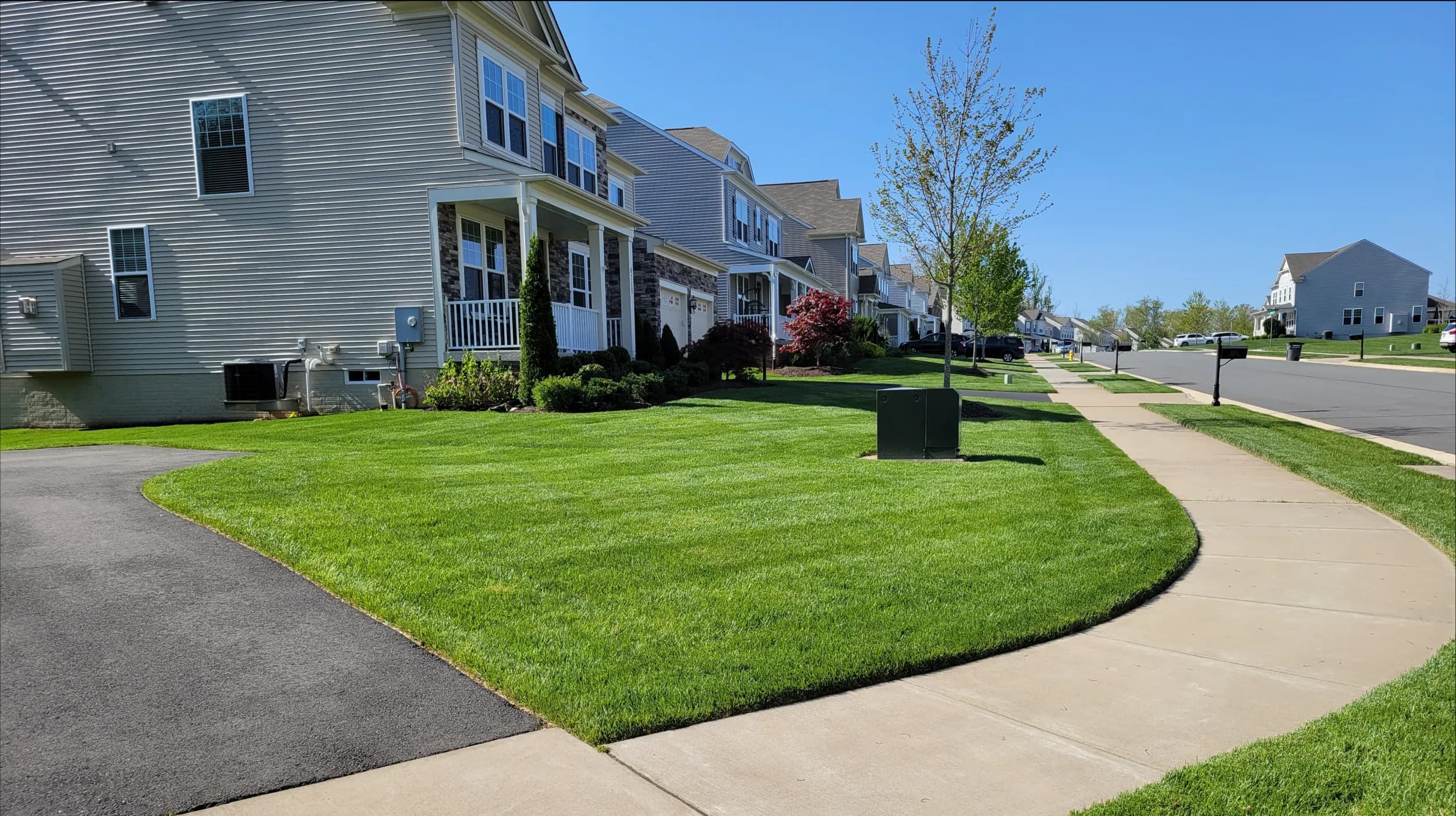
A weed-free lawn can be achieved in as little as one season with our services
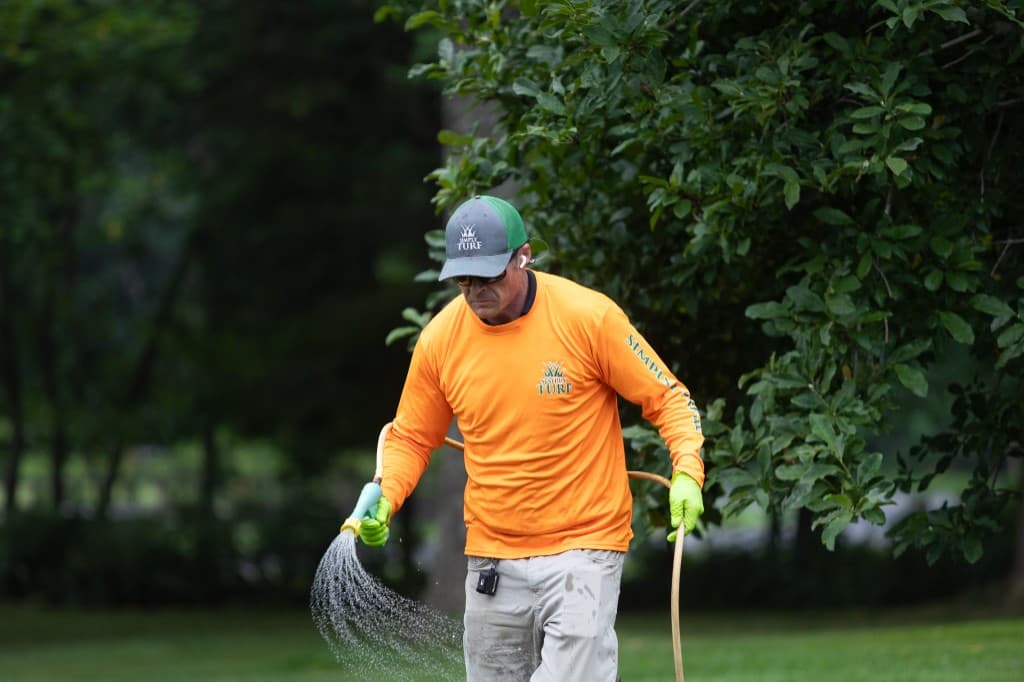
Our licensed technicians spot-treat weeds with targeted, kid & pet-safe applications
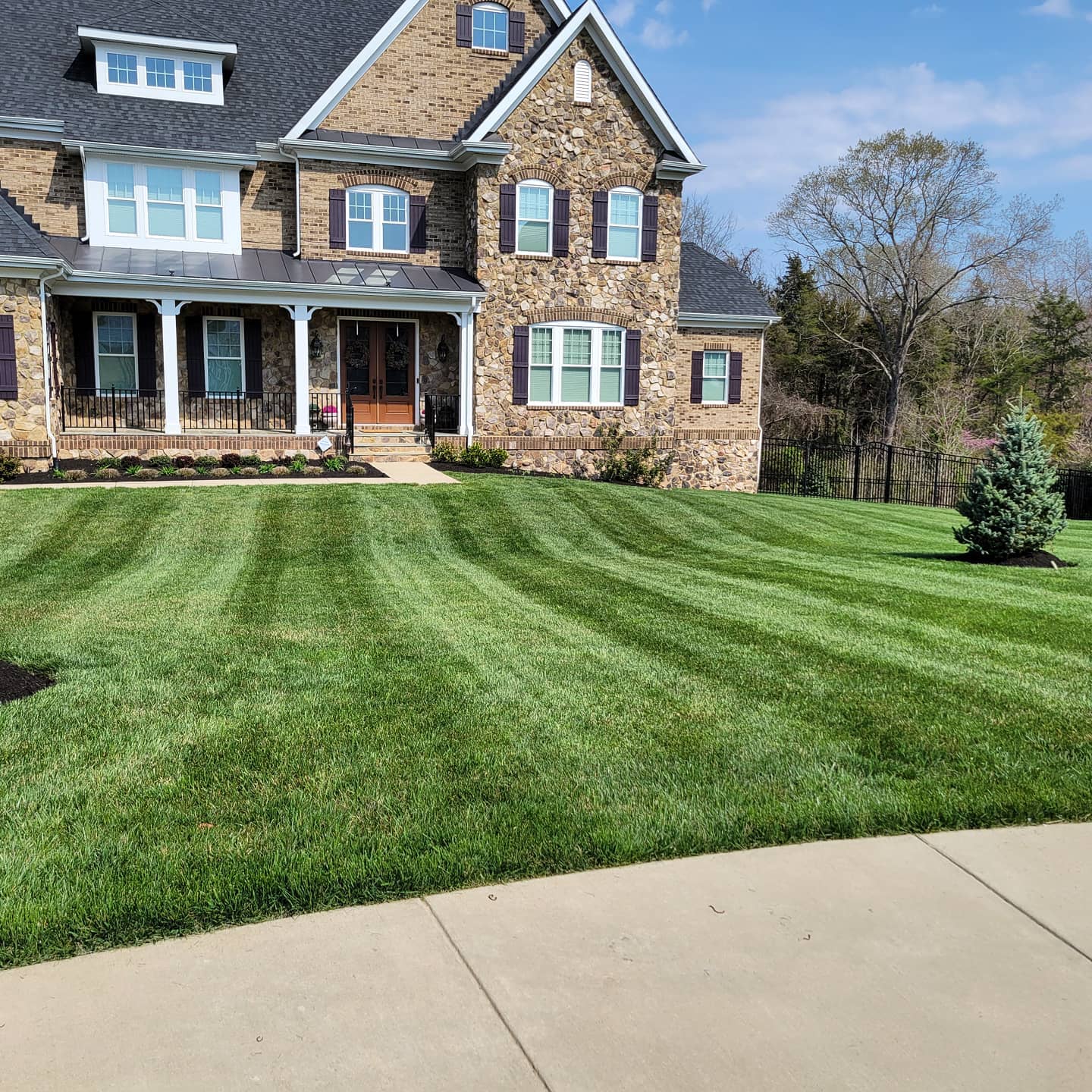
Thick, weed-free turf gives your home unbeatable curb appeal

FAQs

Lawn Weed Control FAQs

Everything you need to know at a glance

One treatment handles the weeds present that day, not the seed waiting in your soil or the perennial roots that survive a single application. Broadleaf weeds curl and yellow within a week and die back over two, while tougher perennials and sedges need a second or third round.

Not right away. Pre-emergent stops grass seed from germinating the same way it stops weed seed, so seeding into a fresh barrier wastes the seed. Tell us early if you plan to aerate and overseed in the fall and we will schedule the applications around it.

We notify you via email the Friday before your scheduled service week and again the morning of your service. We ask that you unlock any gates and remove obstructions from the lawn to allow our technicians to efficiently service your property.

Yes, all our products are EPA-approved and safe for kids and pets when used as directed. Our technicians are all licensed by the state of Virginia to safely apply these products.

No, you don't need to be home. We will complete the work as scheduled and leave a door hanger and yard sign. You will also receive a post-service email that will contain any special instructions should there be any.

No, all our services are contract-free. You pay as you go.

Fertilization & weed control services

100% Satisfaction Guarantee

We take pride in our work, and if for any reason you're not 100% happy, we won't rest until the issue is resolved. If you're still not completely satisfied after our best efforts, we'll refund your most recent fertilization and weed control service. We stand behind our work and believe that you'll love what we do.

Patrick Klippen, owner of Simply Turf

Patrick Klippen

Owner of Simply Turf

Free quote

Get a Quote Today & We'll Send Our Free Lawn Care Guide

  • 100% satisfaction guarantee โ€” we don't rest until you're happy
  • Rated 4.8 out of 5 from 126+ local reviews
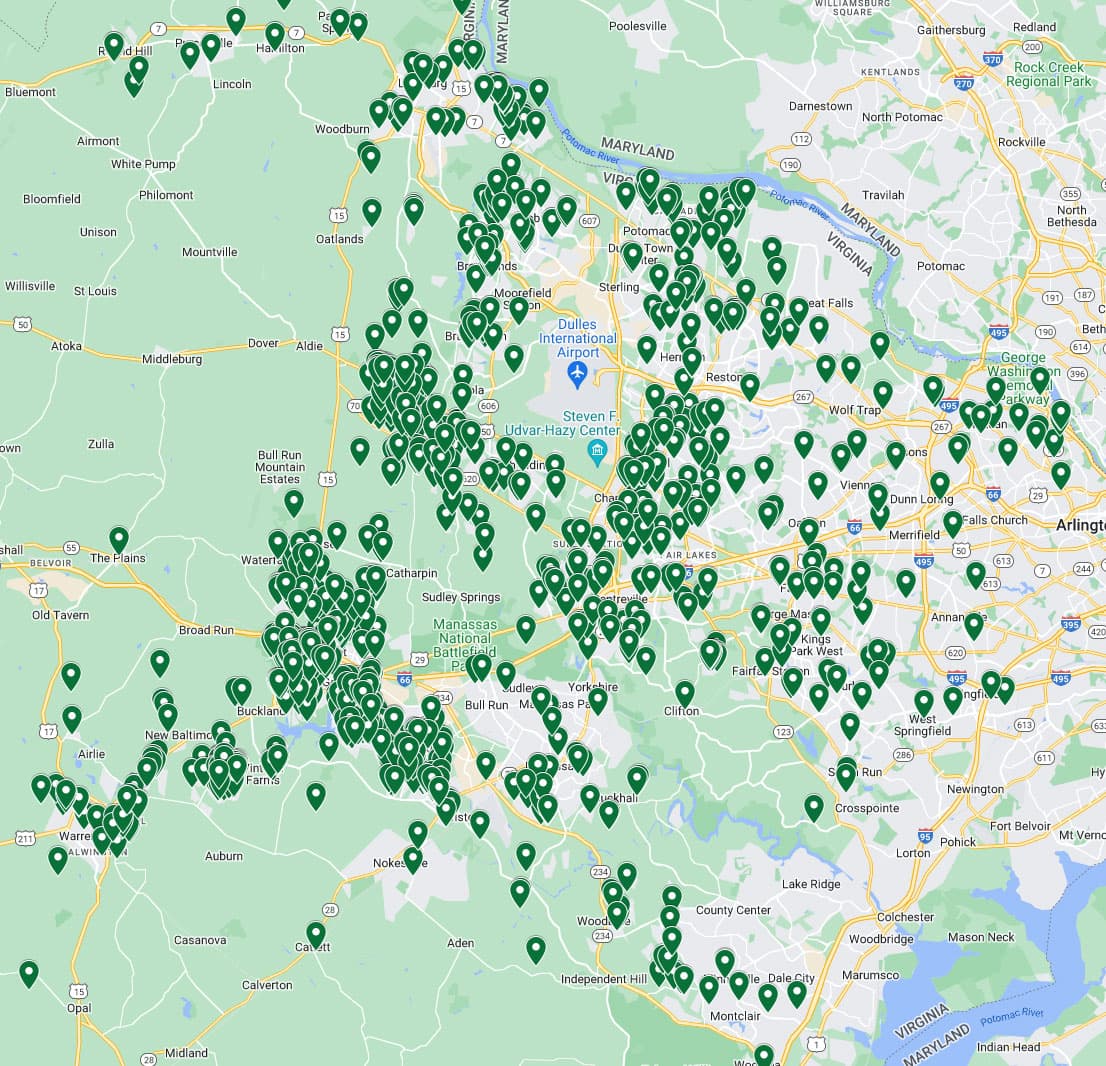
  • Local to Gainesville, VA โ€” serving Loudoun, Fairfax, Prince William & Fauquier Counties

We typically respond in 30 minutes or less

Prefer to talk? Call or text (703) 268-9900

What services are you interested in? *

Pick aeration & overseeding on its own and we'll show your price range instantly from county lot records.

No contracts. No spam. We'll send our free lawn care guide with your quote.