
Tell us your preference
Aeration & Overseeding Scheduling and Notes
On the schedule for aeration and overseeding? Let us know when you'd like your service completed and share any instructions for our crew — our office will add everything to your account.
Timing is optional — if you don't have a preference, we'll complete your service as soon as possible when the time is right. Either way, our office will receive your request and include it on your account, so the technician is aware of any particular concerns you have with your lawn at the time of service.
- Your preferred service window, September through October
- Whether you have an irrigation system or underground dog fence
- Gate codes, access notes, and areas to focus on — or stay out of
Not sure how to prepare, water, or mow around your seeding visit? The FAQs below cover the essentials, and our full aeration & overseeding guide goes deeper.
Prefer to talk? Call or text (703) 268-9900
Frequently asked questions
Before & After Your Seeding Visit
The 12 questions we hear most from customers on the aeration and overseeding schedule.
Late August through October, with mid-September to mid-October the sweet spot — warm soil for fast germination, cooler air, and fall rain to help with watering. Any window you choose on this page falls inside that range. The Northern Virginia lawn care calendar maps out the whole year.
Pick "No preference" on the form and we'll complete your service as soon as possible when the time is right. Timing is optional — the form still gets your instructions to our office and onto your account either way.
Yes — we require our customers to mark irrigation systems and underground (invisible) dog fences before the visit. Our aerators pull soil cores 1 to 3 inches deep depending on soil conditions, and marking is what ensures your property isn't damaged while we work. Marking flags are inexpensive at any hardware store.
Very little. Mark your irrigation heads and any underground dog fence (that part is required), give the lawn a mow beforehand if the grass is overly tall, and that's it. No need for straw, topsoil, or anything else special before the visit.
No. As long as our crew can access the lawn — gates unlocked — and your irrigation and pet-fence lines are marked, you don't need to be home. Gate codes and access notes go in the instructions box on the form.
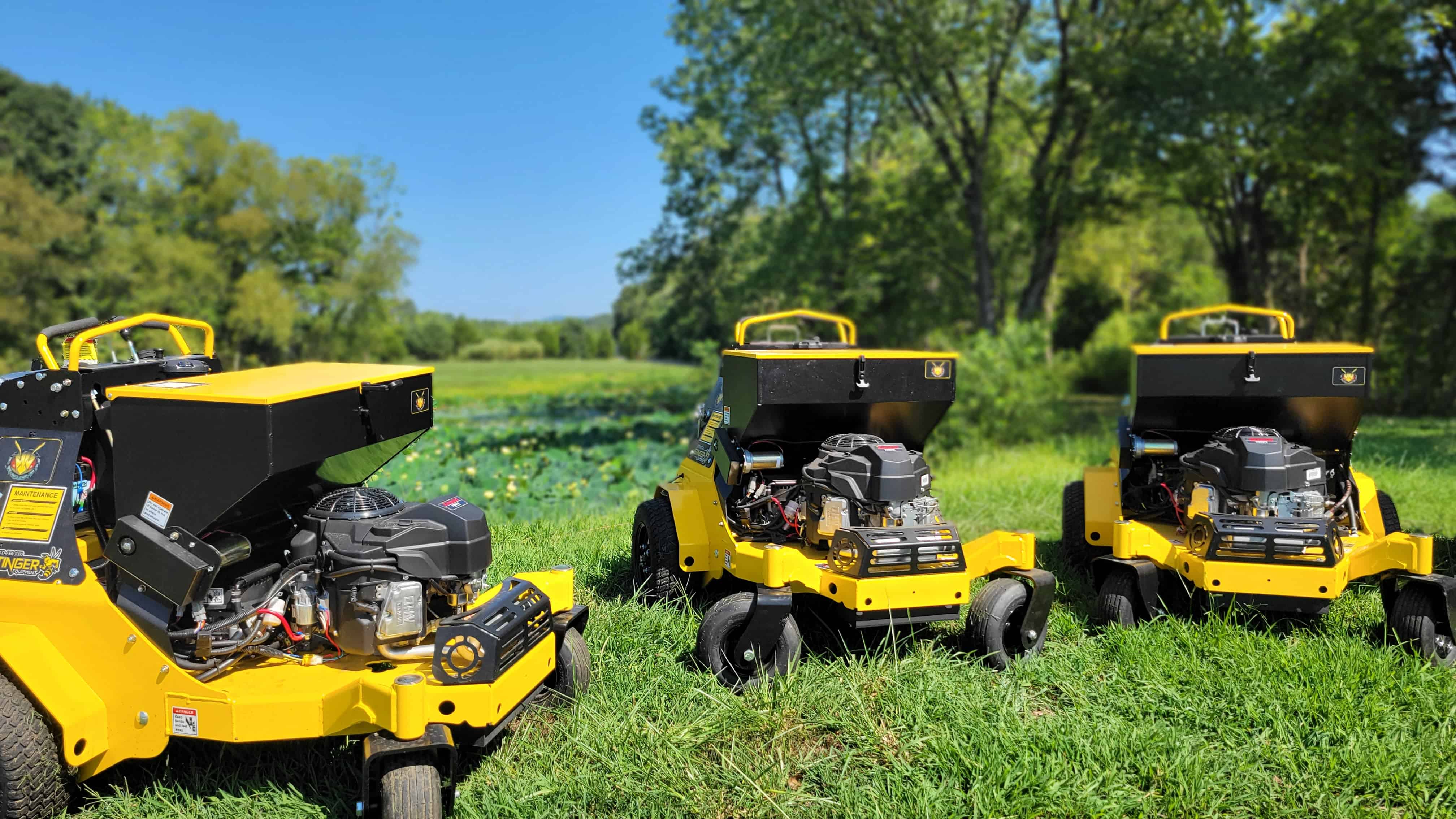
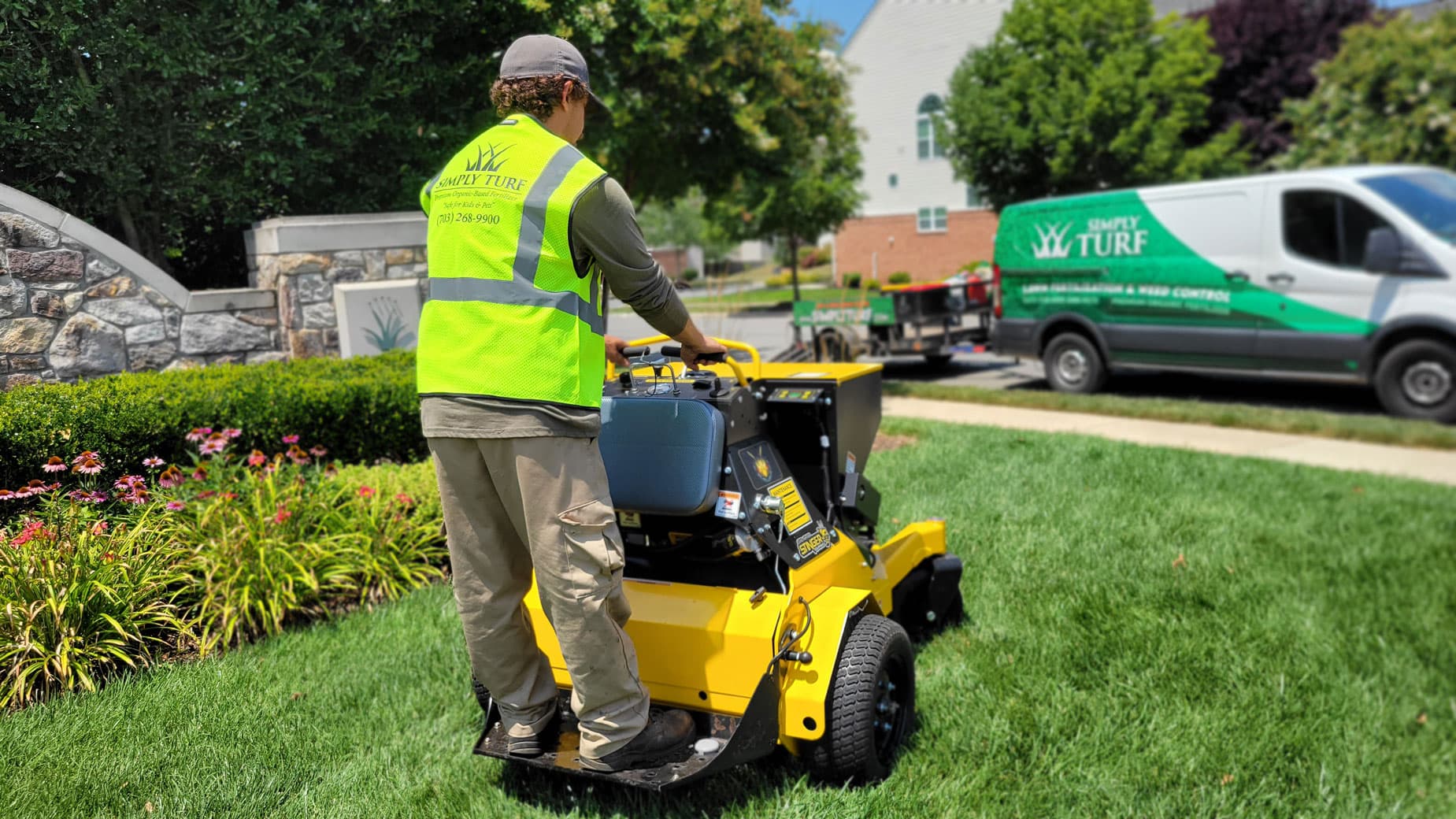
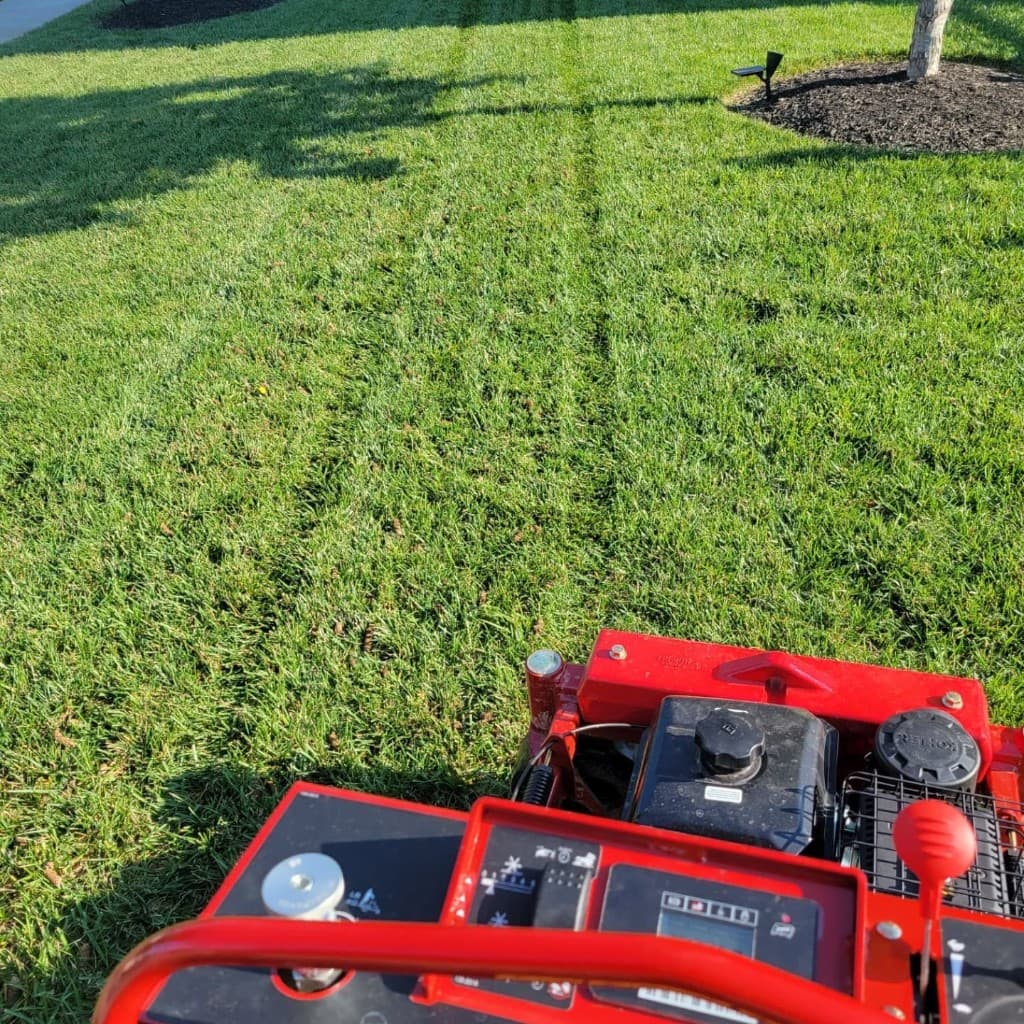
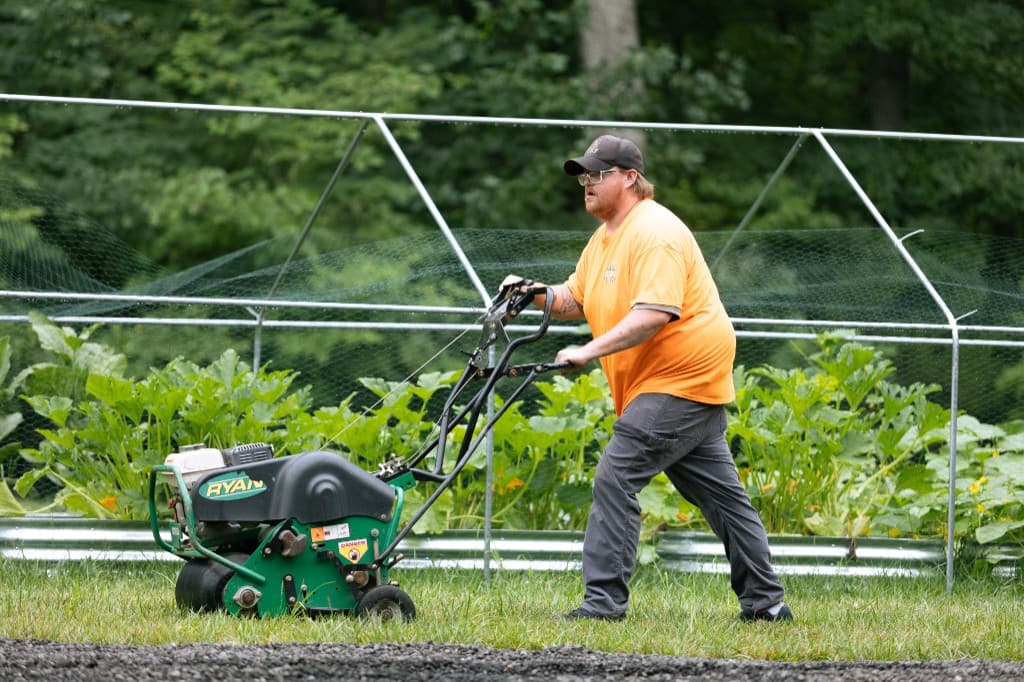
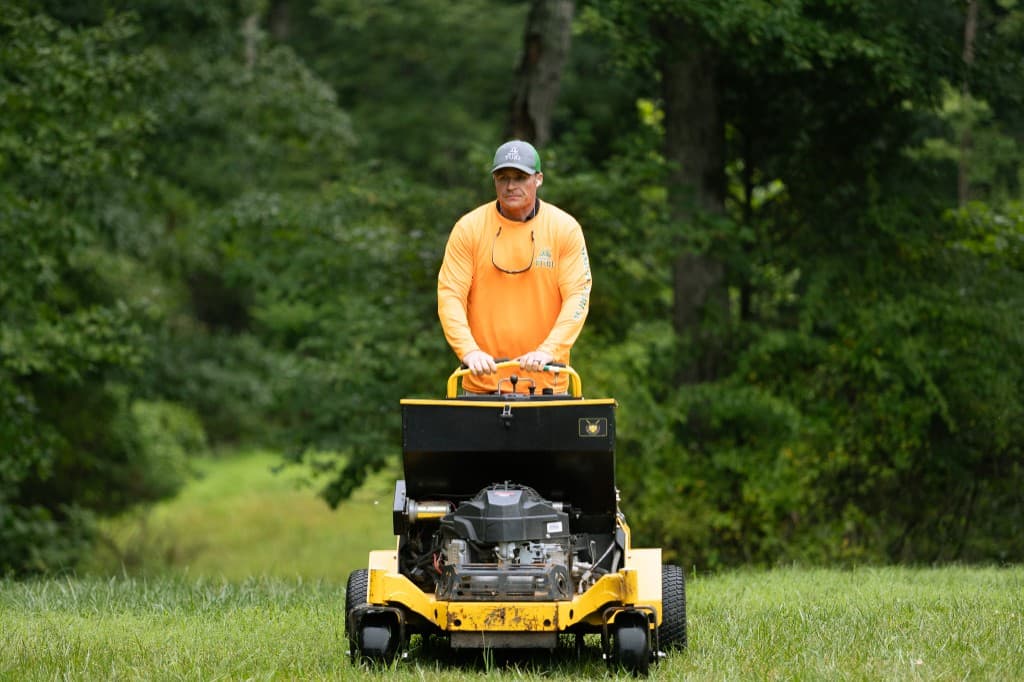
We run stand-on core aerators with built-in seed boxes across the lawn, pulling soil cores 1 to 3 inches deep depending on soil conditions and applying premium tall fescue seed in the same pass. Seed drops into the open holes, where it rests against moist soil, protected from wind and birds. Our aeration and overseeding service page covers the agronomy in more depth.
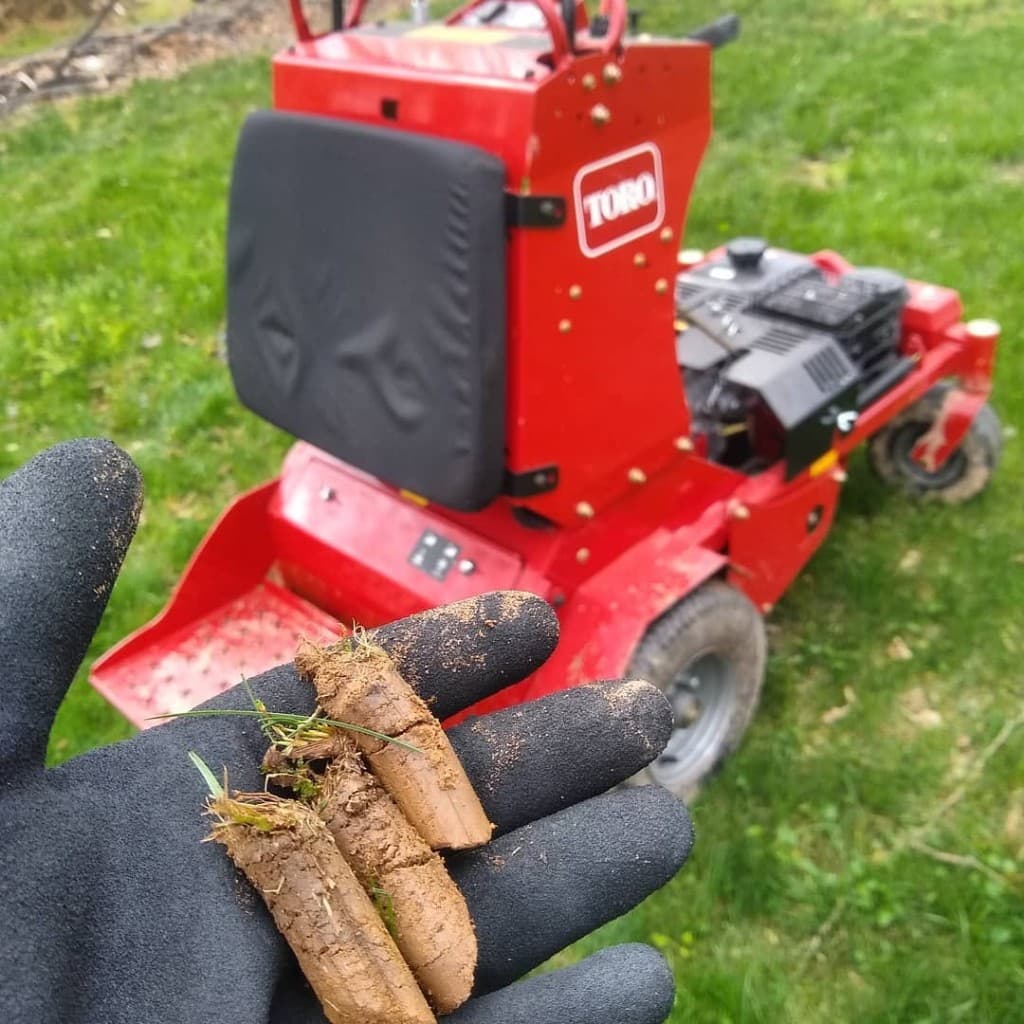
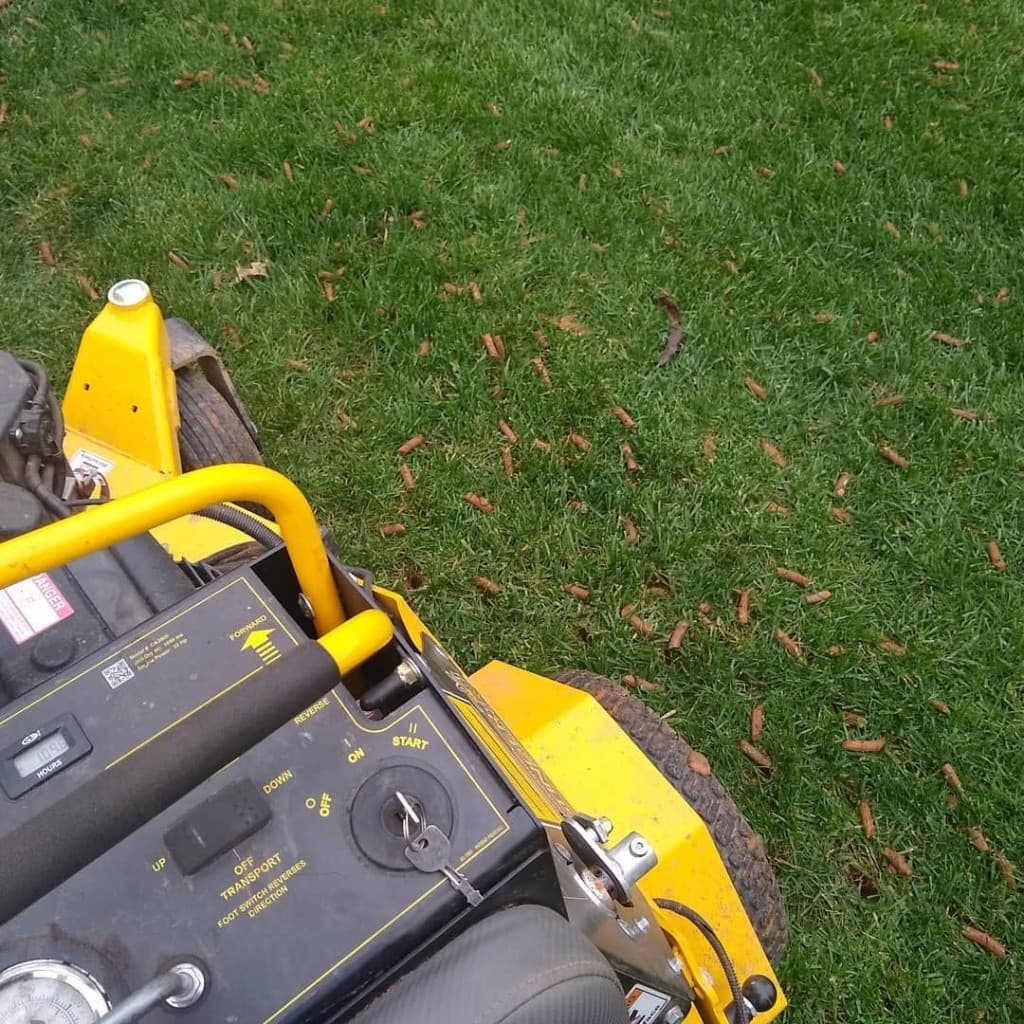
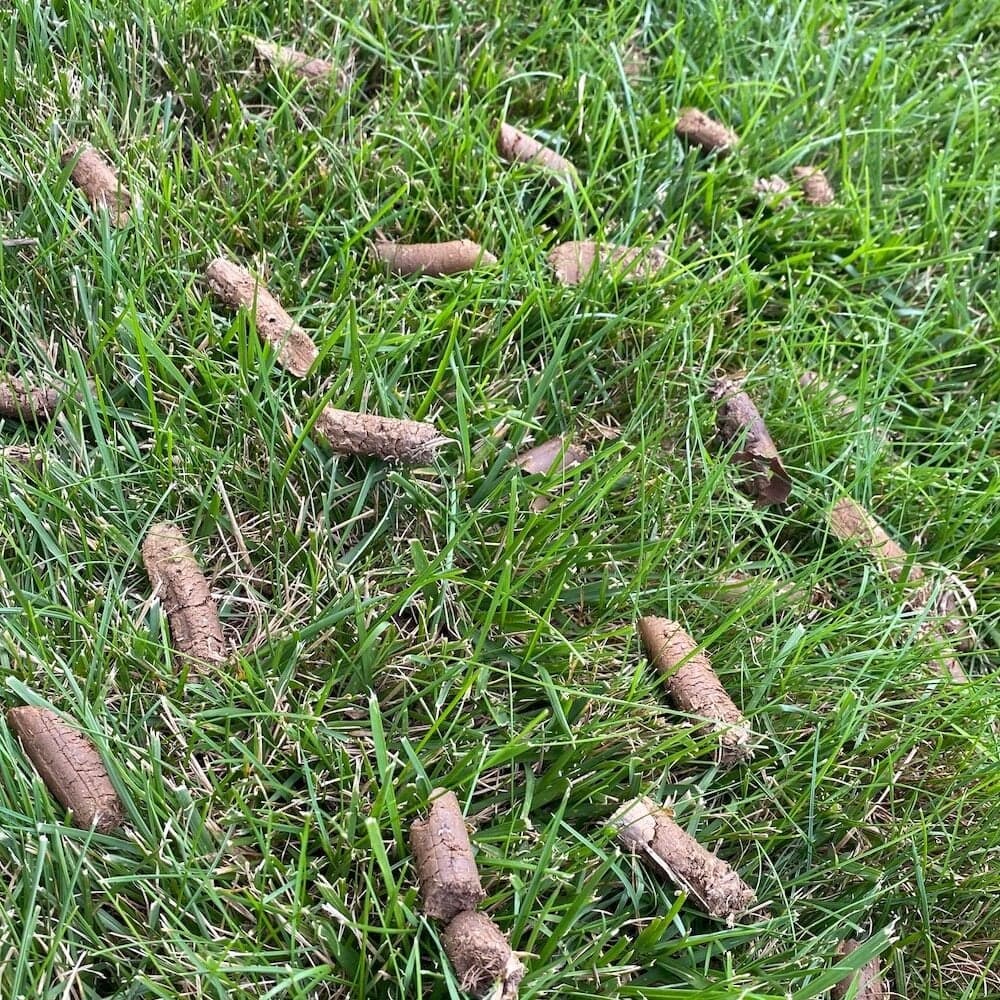
No, leave them. The cores break down within a couple of weeks under normal rain and mowing, returning soil and microbes to the surface as a thin natural topdressing. They look messy for a week or so, and that is expected.
Water twice per day for the two weeks after the service for best results. If it rains that day, you can skip a watering. The objective is not to put out a lot of water — the whole idea is to keep the seed consistently moist so you'll see germination. An inexpensive hose-bib timer makes sure no waterings get skipped.
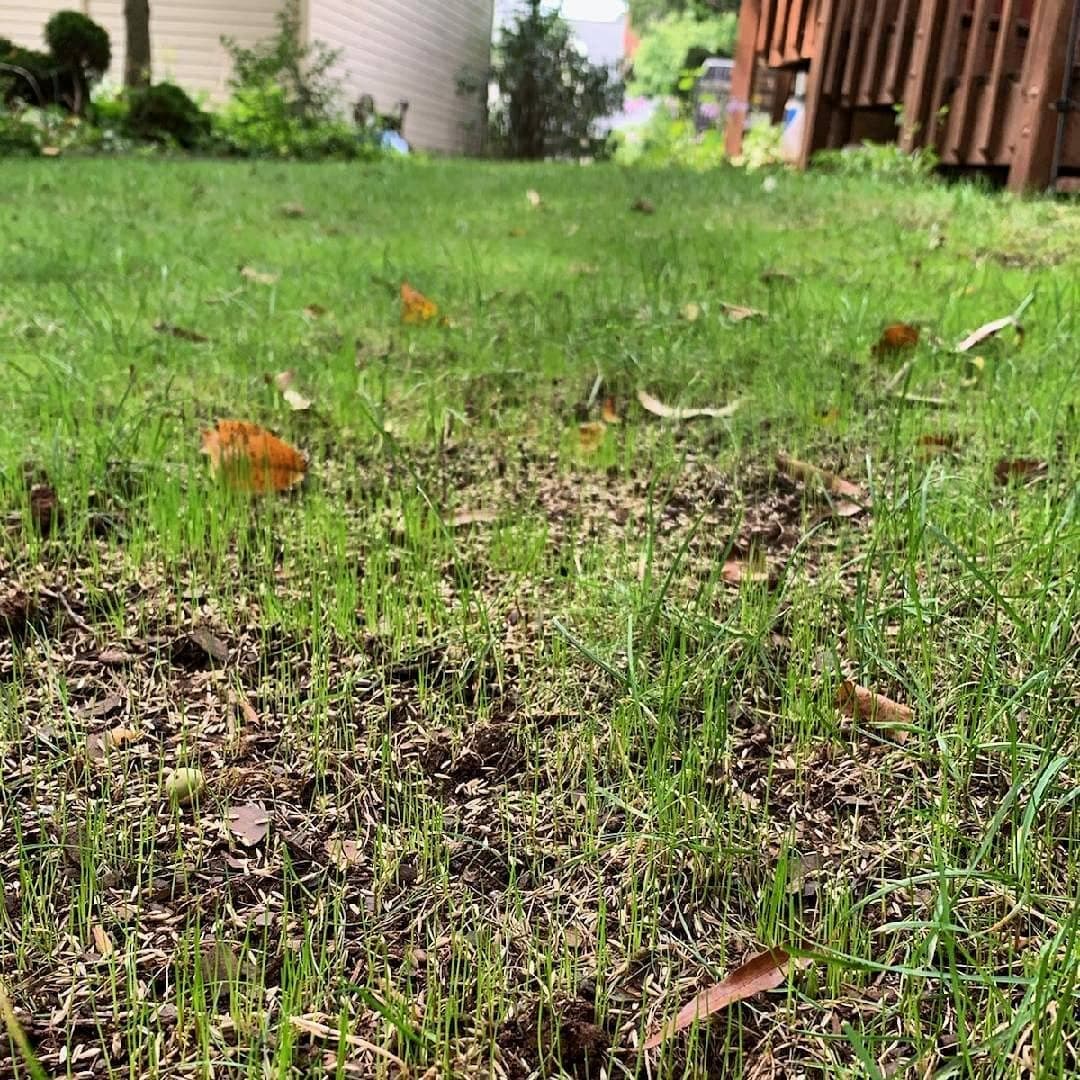
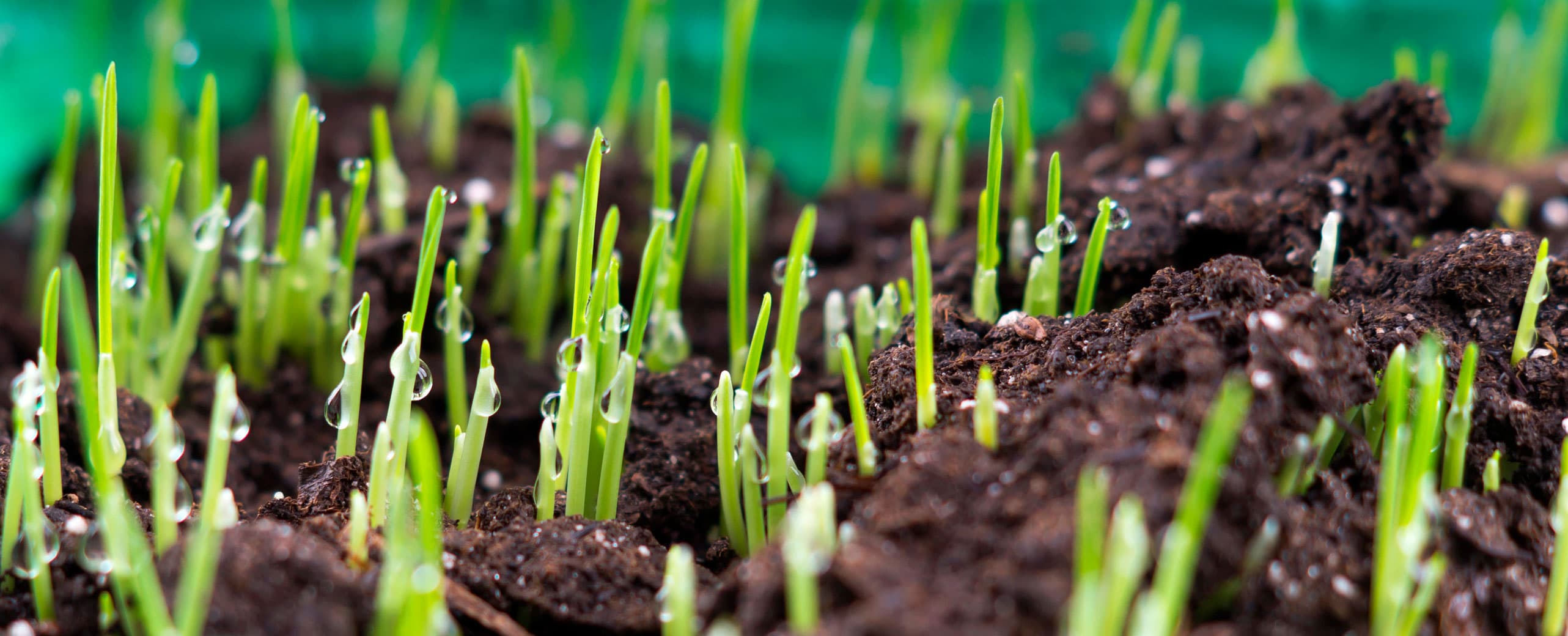
With successful watering and warm fall soil temperatures, you should expect to start seeing germination after about 7 days. Fill-in continues over the following weeks as the new grass thickens. Our guide on when to aerate and overseed in Northern Virginia walks through the whole timeline.
You should be able to give your turf its first mow about three weeks after the service. Use a sharp blade, cut at 3 to 4 inches, and never take more than a third of the blade off. If just one area is filling in, you can skip that area and mow the rest of the lawn.
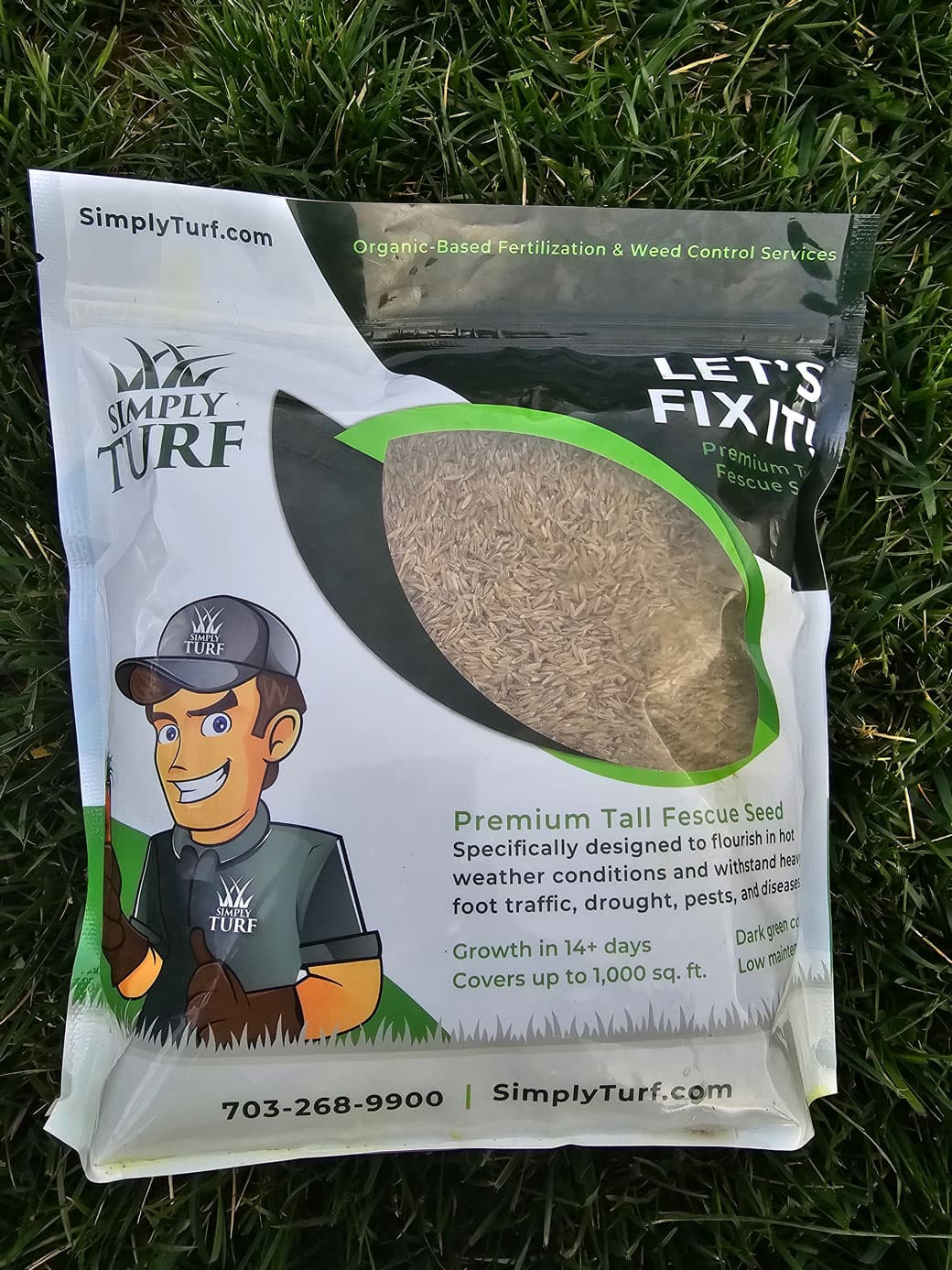
That's a complimentary bag of our premium tall fescue seed for touching up bare areas as the new grass fills in. Just put it in your garage — if you see any bare spots over the next few weeks, that's what it's there for. Scatter some seed and keep the spot watered.
Keep foot traffic as light as you reasonably can for the first two weeks. New seedlings are fragile, and the seed needs to stay in contact with moist soil to establish. After the first mow, normal use is fine.
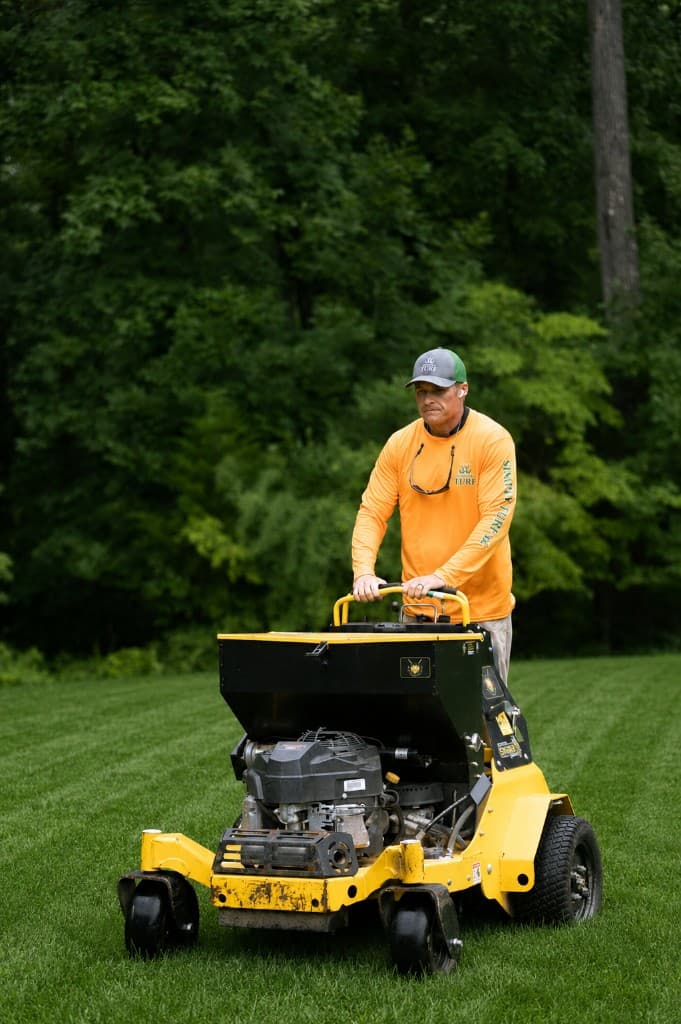
Licensed, local crews seeding Northern Virginia lawns every fall.
Want the full rundown?
Our complete guide covers prep, the two-week watering plan, mowing, and every question we get about seeding.
All aeration & overseeding FAQs Call or text (703) 268-9900Photos from the field
What Aeration & Overseeding Looks Like
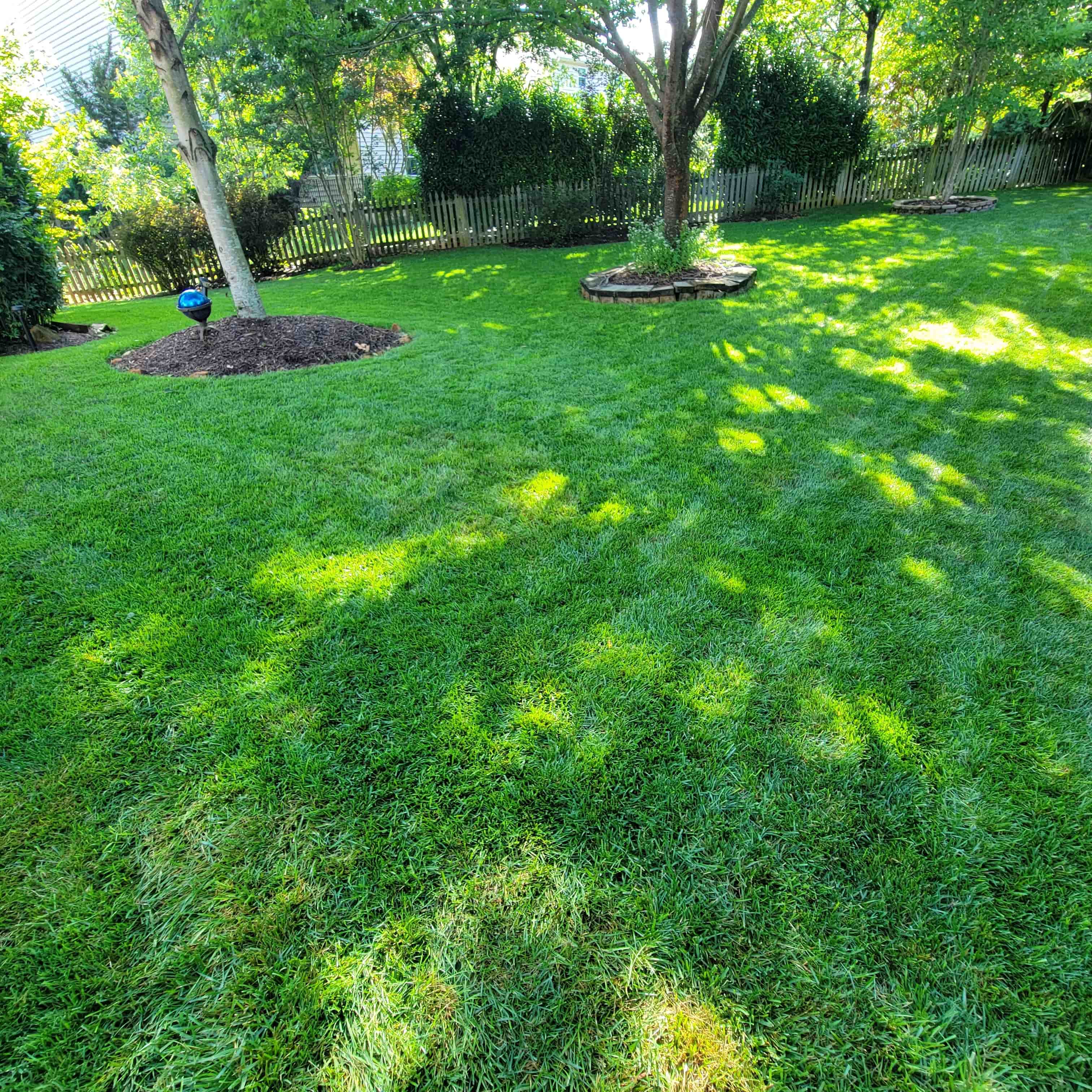
Our equipment, our crews, and what your lawn should look like in the weeks after the visit — so you know exactly what to expect.
Want more? Browse the full gallery or read about why we aerate and overseed the way we do.