Skip to content

How to get the best results from your lawn.

What we do, what you do, and how the two work together. Read it once when you sign up and you'll know what to expect from your lawn all year.

  • 8 short chapters
  • About 8 minutes
  • Try the sliders as you go

The door hanger, brought to life

Best management practices.

Four habits do most of the work between our visits. Pick one and try it. Each panel shows what the number on the card means in your own yard.

The Simply Turf mascot holding a soil core and giving a thumbs up

Two for the mower, two for the hose. Get these right and my job gets a lot easier.

Mowing BMPs

Watering BMPs

Keep it at 3 to 4 inches

Mowing shorter, or skipping the weekly mow, stresses the grass. Drag the height and watch what happens above and below the soil.

Grass drawn beside a ruler. The blades and the roots change with the height you set.
3.5″grass height
● In the zone

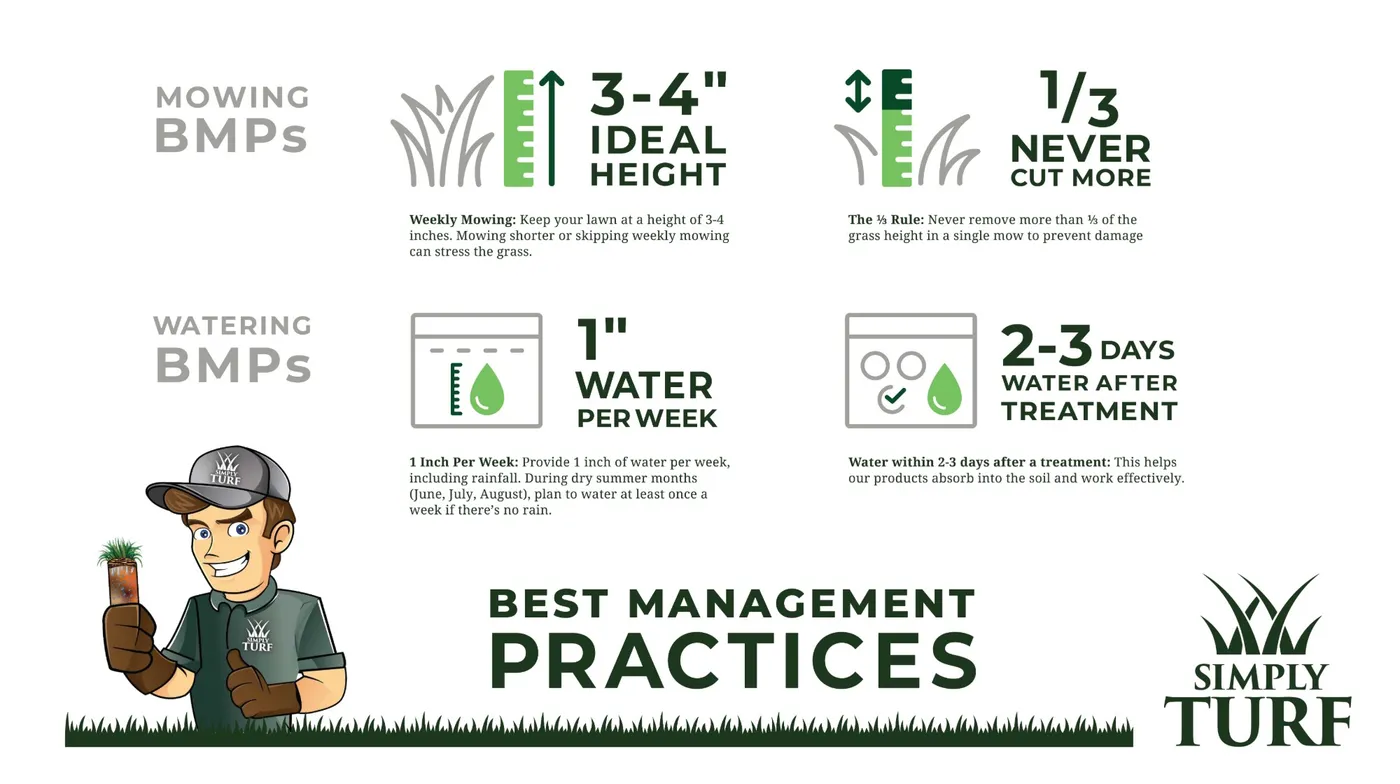
The Simply Turf Best Management Practices door hanger: mowing at 3 to 4 inches, never cutting more than one third, one inch of water per week, and watering 2 to 3 days after treatment

Look for this card on your door after every visit. Chapters 2 and 3 cover the reasons behind those four numbers, starting with the one that matters most.

Before you start

Turf care is a partnership.

This guide is for homeowners who are thinking about Simply Turf, and for those already on our turf care program. It explains what we do, what you need to do, and how those two things work together to get the best results from your lawn.

Turf care is not magic, and it is not instant. It plays out over a full year and keeps improving after that. We handle the professional side: fertilization, weed control, insect control, aeration and overseeding.

A few things sit outside what any lawn care company can control, and they often matter just as much as the products we apply. When you know them from day one, expectations are clear and results are better.

We handle

  • Product selection
  • Timing every visit
  • Application and safety
  • Monitoring your lawn
  • Documenting each visit

You handle

  • Watering
  • Mowing
  • Access to the lawn
  • The four habits on the door hanger

Chapter 1 · What Simply Turf does

A program built for Northern Virginia lawns.

Our turf care program improves the health, density and look of your lawn over time. We visit several times a year, and what we apply changes with the season and with what the lawn needs at that point.

Some visits lean toward feeding the grass. Others lean toward weed control, or toward stopping weeds before they emerge. We handle the timing and the product selection, so you never need to manage an application schedule.

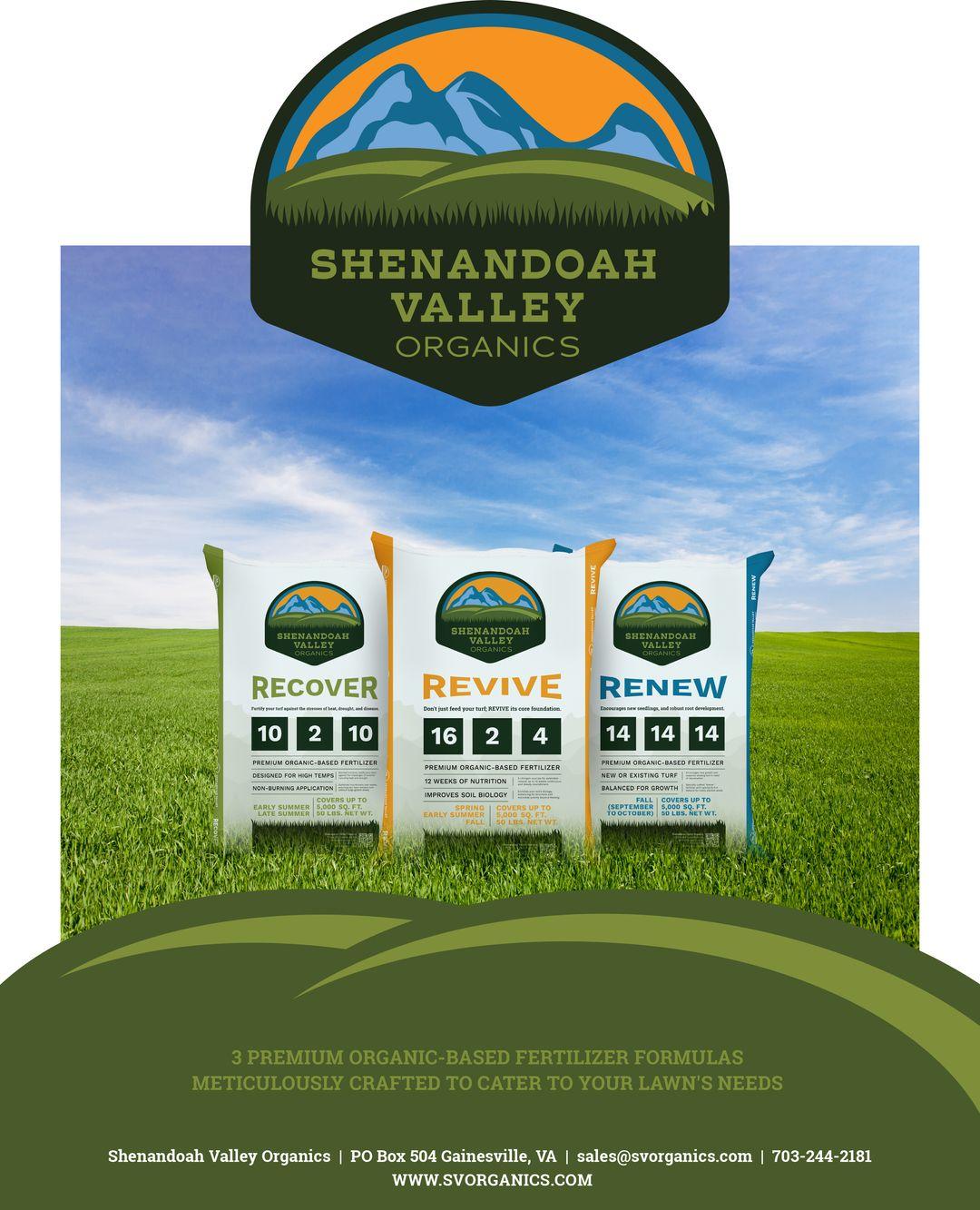
All of our fertilization is organic based. The goal is steady feeding that supports the grass and improves the soil, and never short-term color or forced growth. We use our own custom blend through Shenandoah Valley Organics, made for Northern Virginia lawns and applied to match the season.

Weed control is included on every single visit. Dozens of different weeds show up in local lawns and they emerge at different times of year, which is why you may see some between visits in your first season. Chapter 6 explains what to expect.

  • Bags of Shenandoah Valley Organics fertilizer
  • Organic-based fertilization

    Our custom blend, applied to match what the season calls for.

  • Weed control, every visit

    We treat what is up, and prevent what is coming.

  • Insect and grub control

    Protection for the roots during summer.

  • Fungicide when conditions call for it

    Applied when weather sets disease up to spread.

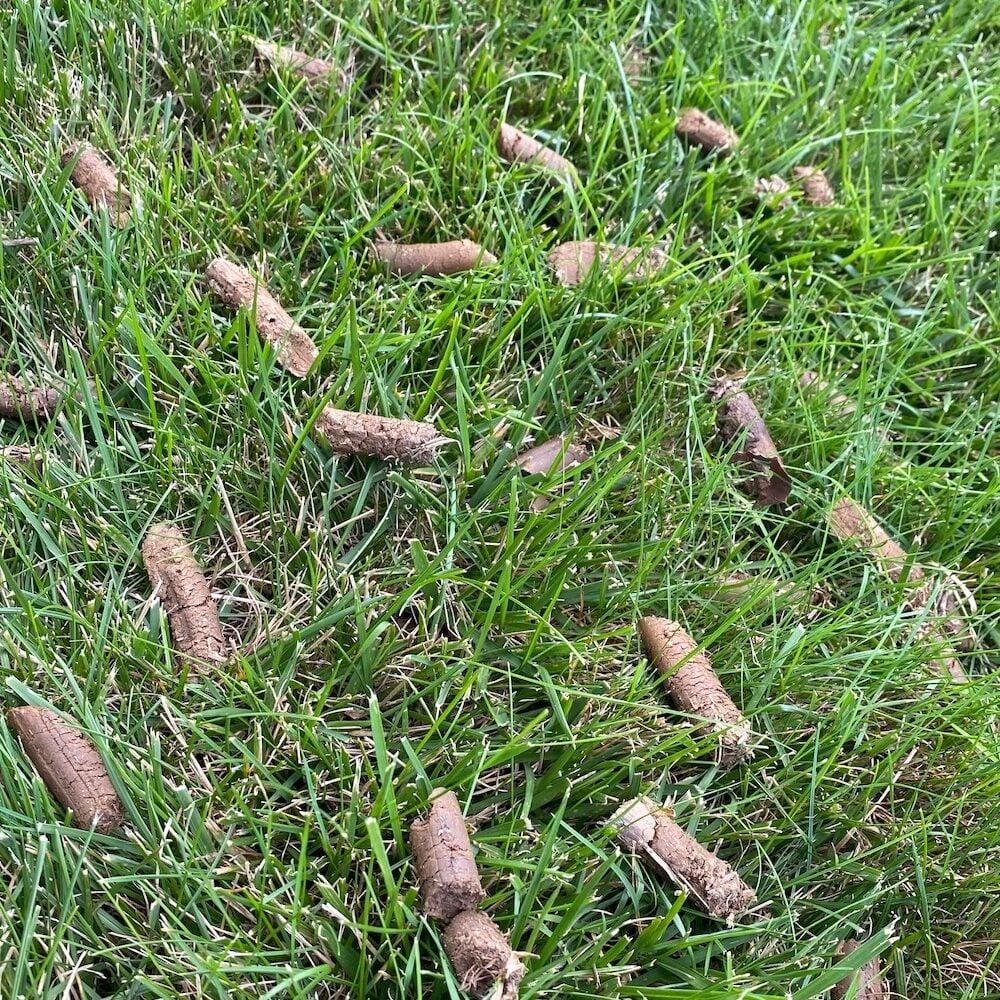
  • Core aeration and overseeding

    Every fall, to thicken the lawn and fill bare spots.

Your year with us

The seven visits of the Turf Care Program, about six weeks apart. Select a visit to see what it does.

Program visitAdd-on, quoted separatelyToday
  1. We let you know first

    You get a notification before every visit, so nothing is a surprise.

  2. We treat and document

    Your technician applies what the season calls for and records the visit.

  3. We leave a door hanger

    It lists our Best Management Practices: what to do between visits to back up the work we just did.

Chapter 2 · The most important factor

Water does more than any product we apply.

Northern Virginia gets plenty of rain through spring, fall and winter, and early summer is usually manageable. Lawns struggle most in mid to late summer, when heat, humidity and dry spells pile stress on tall fescue.

Aim for about one inch of water per week during the growing season. Many weeks, rain supplies it. In dry periods, especially in summer, the sprinkler has to make up the difference.

Water deeply and less often. In a drought, two to three waterings a week is usually enough, as long as each one soaks down into the root zone. Letting the surface dry between waterings also helps keep disease down.

Tall fescue can go dormant in hot, dry weather and recover later. That is normal. There is a point, though, where a lack of moisture causes permanent turf loss, and grass that crosses it does not come back when the weather cools.

Turf tipCan't water after a visit? Don't panic. Rain usually does the job for you. Watering after service helps, and missing it is rarely a problem.

Brown is not always gone

● Green and growing

Getting its inch a week from rain, the sprinkler, or both.

▲ Dormant

Tall fescue can brown out in heat and drought and recover when it cools. This is temporary.

■ Lost

Go too long without moisture and the turf dies. It will not return on its own, and the fix is new seed in the fall.

Deep and occasional beats light and daily

A cross section of lawn and soil showing how far the water reaches.

When the sprinkler matters most

Rain usually covers itEarly summer: keep an eye on itMid to late summer: watering is critical

Chapter 3 · Mowing practices

Mow high, mow sharp, mow weekly.

Most Northern Virginia lawns are turf-type tall fescue. It was chosen for its deeper root system and because it handles stress better than most alternatives. How you mow decides how much of that advantage you keep.

Spring: about 3″Summer: about 4″

Raise it for summer

In cool, wet spring weather, mowing closer to three inches is fine. As it heats up, closer to four inches is strongly preferred. Taller grass shades the soil, protects the crown of the plant and supports deeper roots.

Lawns cut too short often look fine in spring and then struggle badly in summer, with more weeds, more disease and less tolerance for drought.
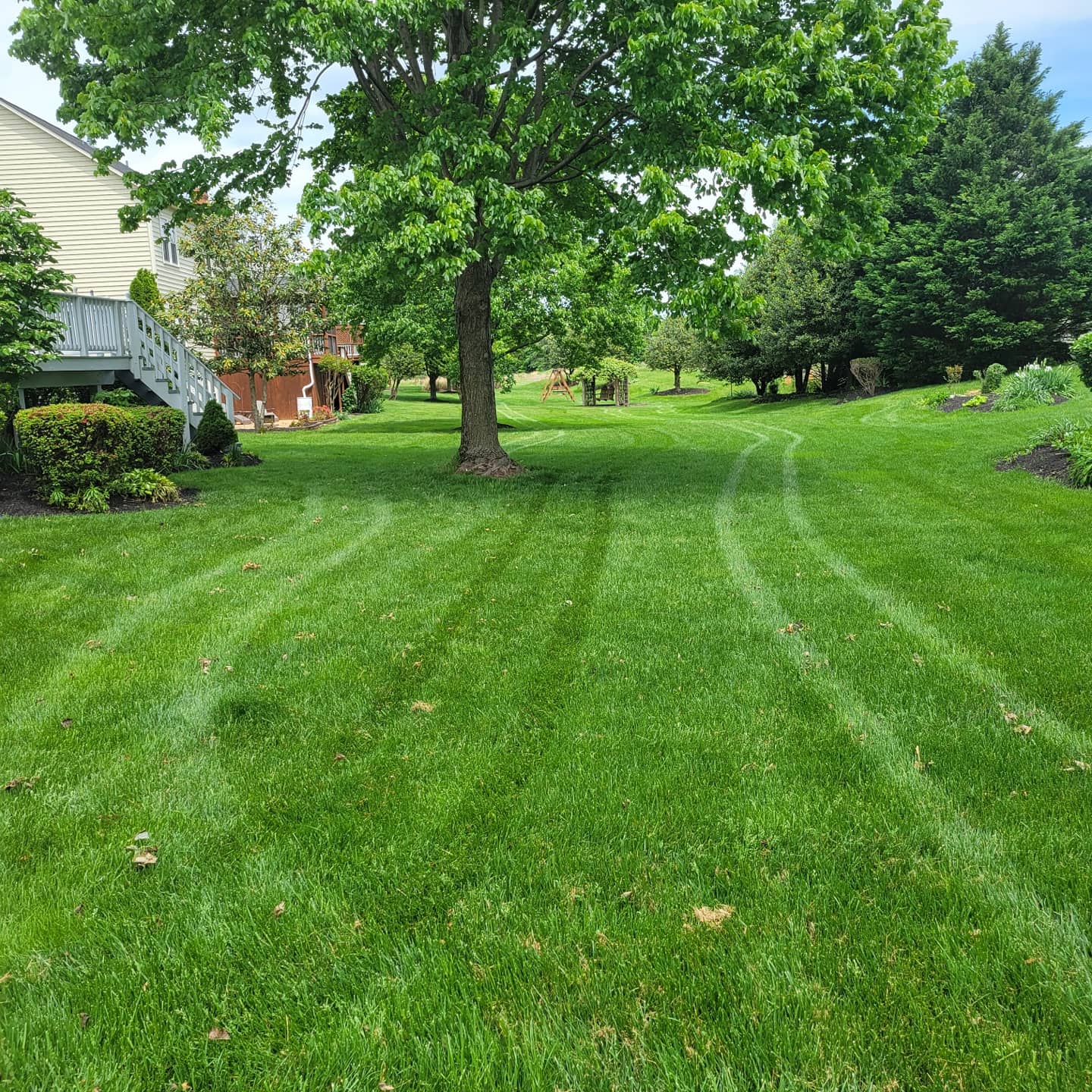

Sharp: a clean cutDull: a torn tip

Keep the blades sharp

Mowing is a mechanical injury to the plant. A sharp blade cuts cleanly. A dull one shreds the tip, and those torn ends are stress points where disease gets in.

If the tips look frayed or torn after you mow, it is time to sharpen.

Weekly, a third at most

Most lawns need mowing about once a week while they are actively growing. Stay on that rhythm and you never have to take off more than one-third of the blade.

Letting it get tall and then cutting it down hard puts extreme stress on the turf, and can thin it or kill it.

Turf tipAfter we treat, hold off mowing for 24 hours. After that, go back to your normal weekly mow.

Chapter 4 · Keeping the lawn clear

Grass needs light and air.

This one is simple and easy to overlook. Anything left on the lawn for a long stretch blocks light and airflow, and it can damage or kill the grass underneath. Even healthy turf thins quickly when it is covered.

Leaves matter most in the fall. Leaves that sit for weeks smother the grass and cause turf loss, including in newly overseeded areas. Staying on top of leaf cleanup keeps the lawn dense going into winter.

Try it: clear the five things off this lawn.

0 of 5 cleared
  • Select the trampoline, the toys, the furniture, the hose and the leaves.

Chapter 5 · Seasonal expectations

August will never look like May.

Tall fescue is a cool-season grass. It looks its best in spring and fall, and summer is always the hardest stretch. Knowing the rhythm saves a lot of worry.

How tall fescue typically looks through the year

A lush green lawn under trees in spring

What you'll see
What we're doing
Your part

There is no product that replaces water or cooler temperatures. Be skeptical of anyone who claims otherwise.

Chapter 6 · Weed control expectations

Weed control is a process.

We treat weeds on every visit. Different weeds emerge at different times of year, so some are simply not there, or not visible, on the day we are on your lawn.

Seeing weeds between visits in your first year is normal. It does not mean they were missed. They had not come up yet at the last application.

Over a full calendar year we interrupt each of those life cycles. As weeds are kept from growing and setting seed, the overall pressure drops significantly.

A thick, healthy lawn is the best long-term defense against weeds. That is why the watering and mowing habits in this guide count toward weed control too.

No mowing for 24 hours

Give the treatment a full day before you mow. After that, normal mowing and watering stimulate growth and help the treatment work.

Turf tipSpot something between visits? Send us a photo. It tells us exactly what we are dealing with.

How weed pressure changes on a program

An illustration of the trend, not a count from any one lawn.

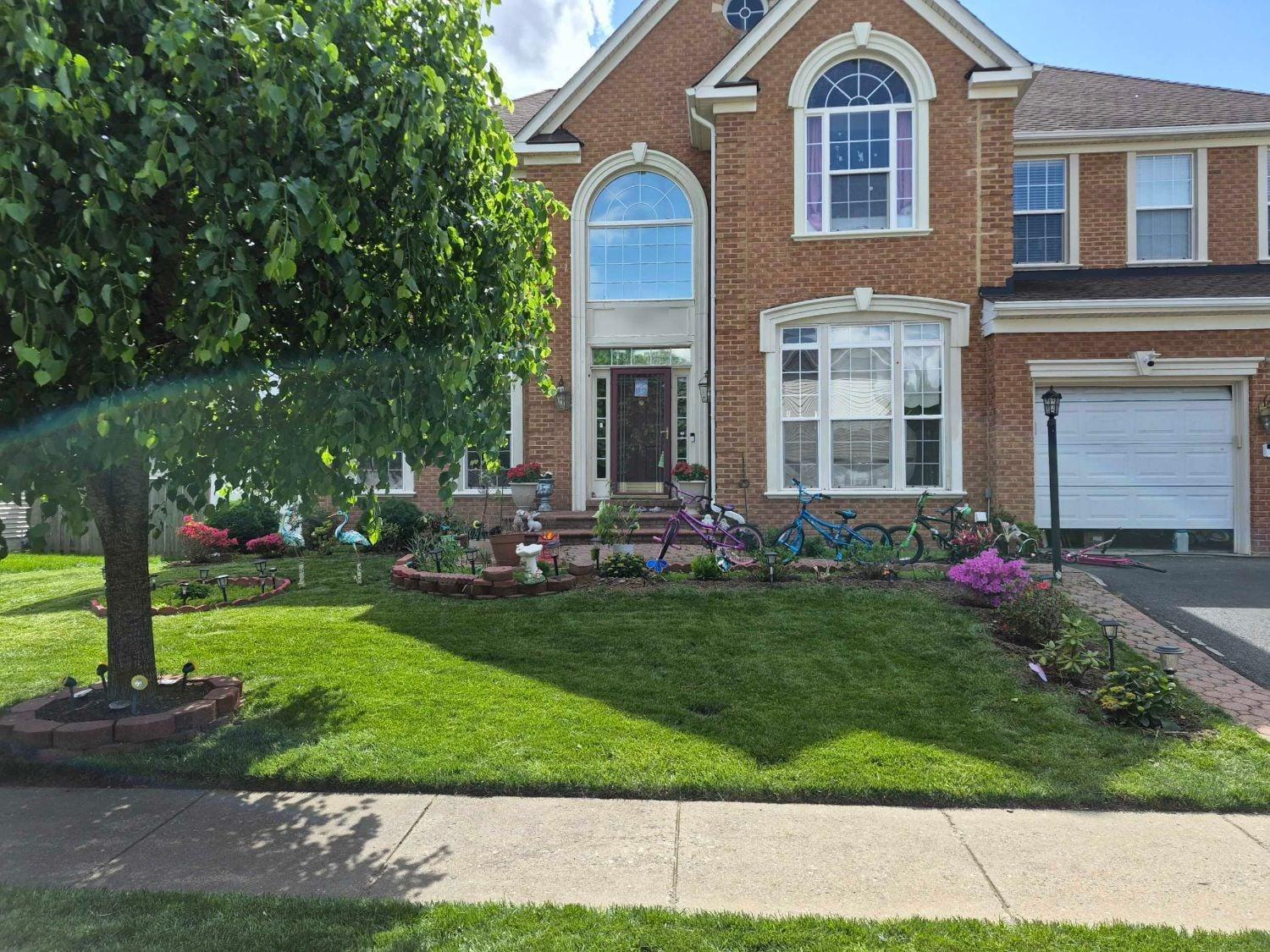
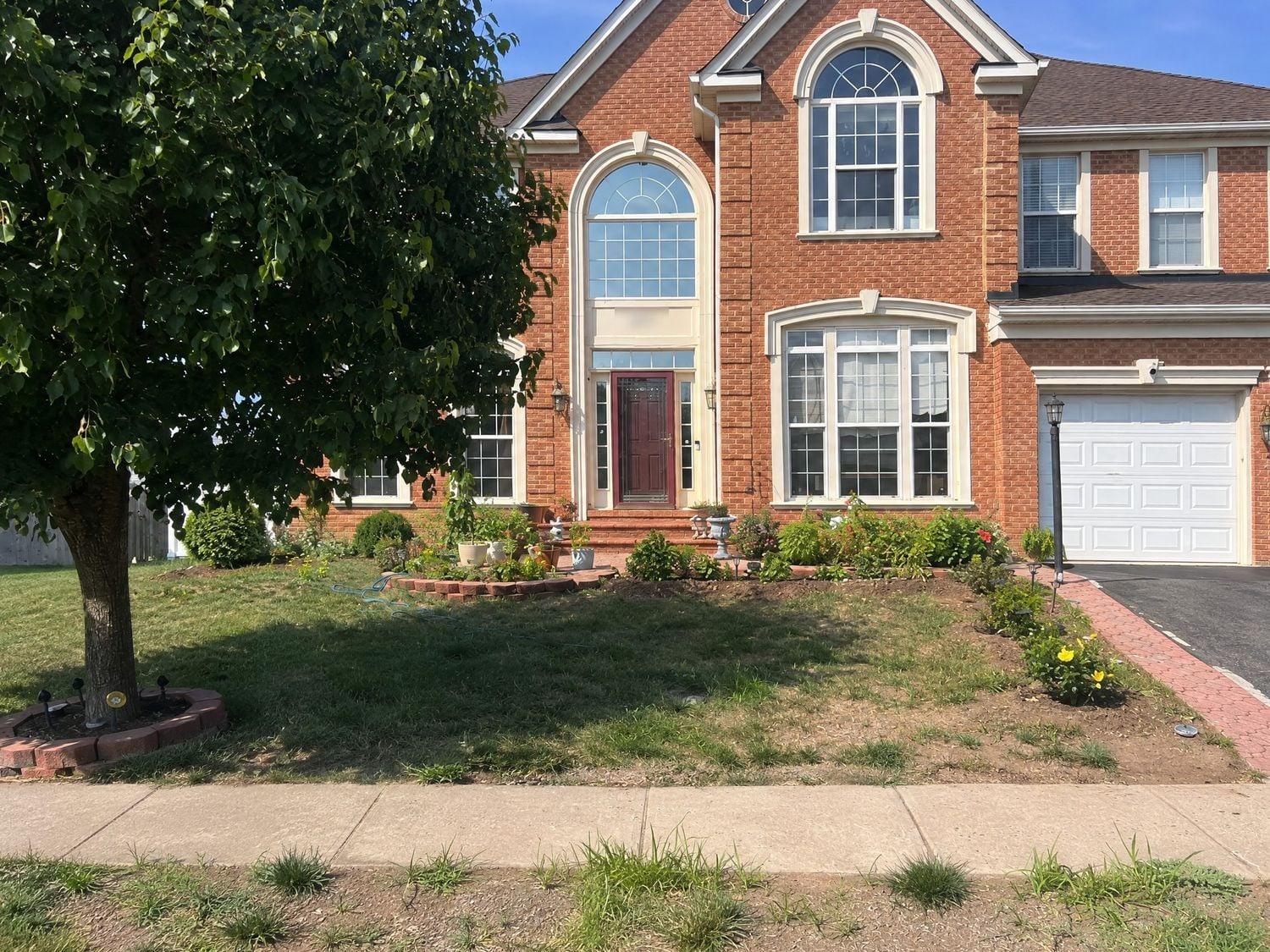
The same front lawn after treatment, thick and greenA thin, patchy front lawn before treatmentBeforeAfter
Slide to compare. Results like this come from a full program plus good watering and mowing, over time.

Chapter 7 · Bare spots and overseeding

Tall fescue does not fill itself in.

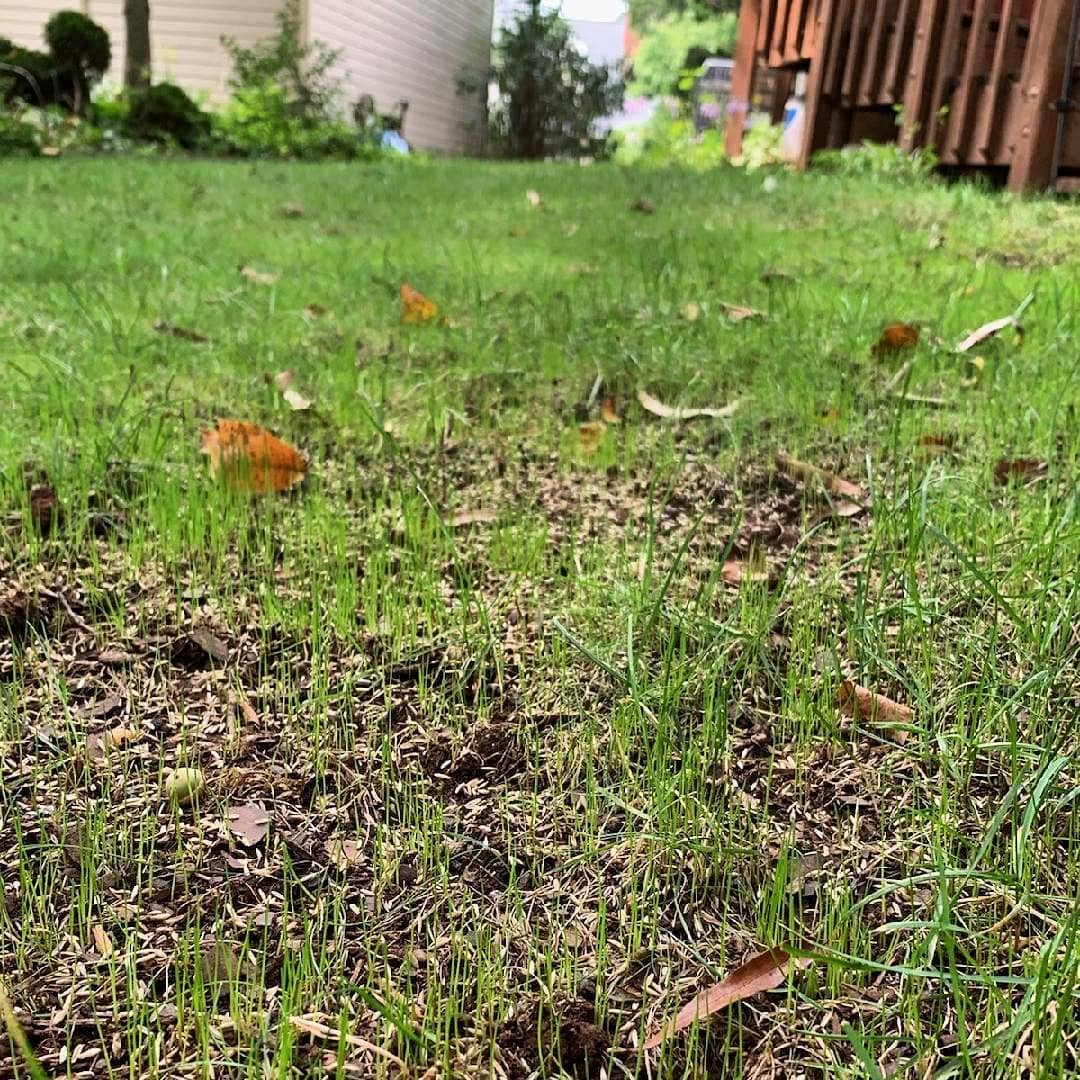
It does not spread into bare areas. Where there is bare soil, the only fix is to plant new grass, and timing decides whether that grass survives.

We handle bare and thin areas with core aeration and overseeding, which we recommend every fall. Fall gives new grass time to build a strong root system before summer heat comes back. Seed planted in spring rarely survives the stress of its first summer.

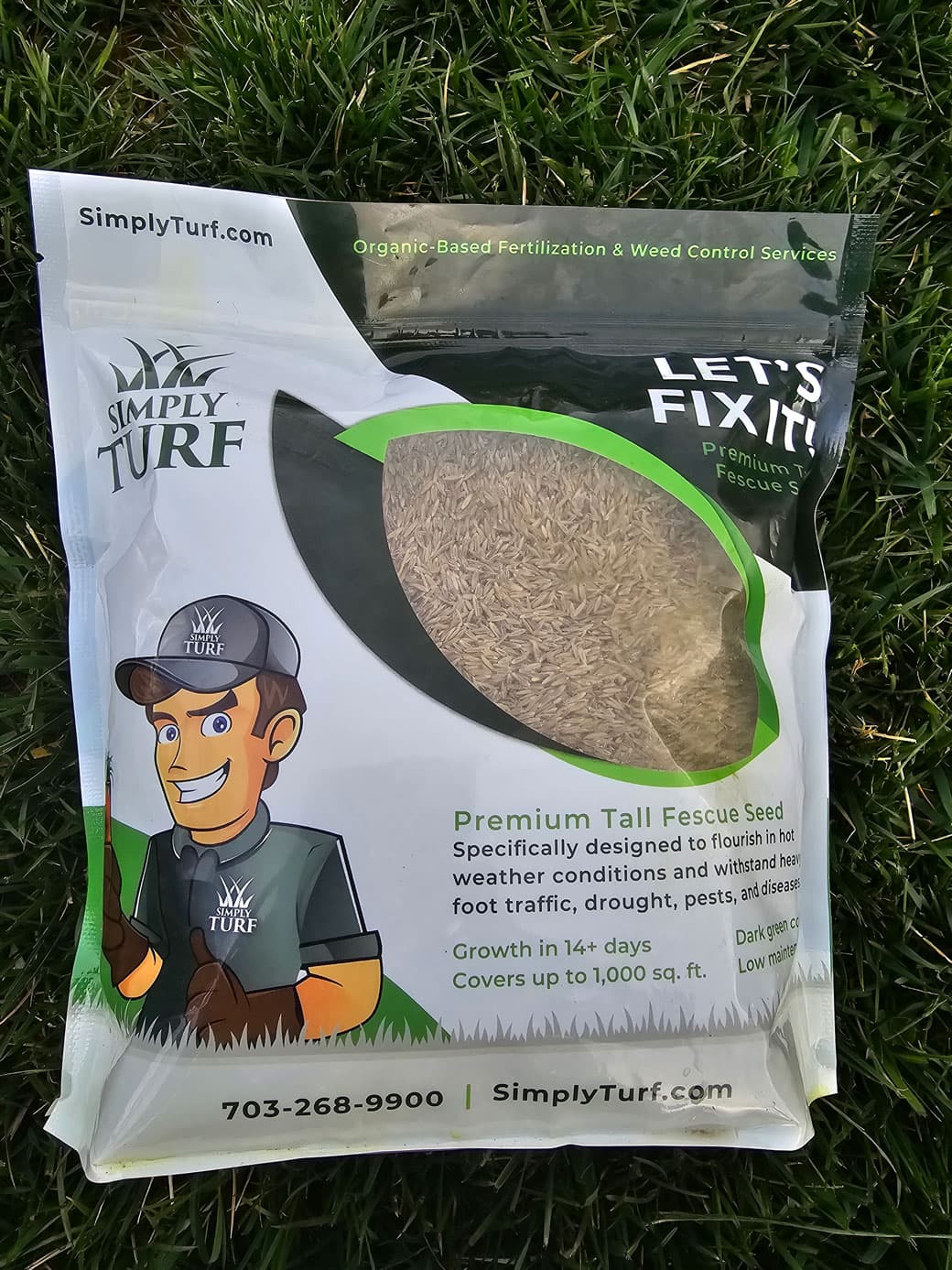
We use high-quality, blue tag certified tall fescue seed, selected for color, durability and performance in our region.

Seed in fall ● Recommended

  1. FallSeed goes down after aeration
  2. WinterRoots keep building
  3. SpringA second cool season to root
  4. SummerEstablished before the heat

Seed in spring ■ Rarely survives

  1. FallNothing planted
  2. WinterNothing planted
  3. SpringSeed goes down
  4. SummerYoung roots meet the heat

Leaves left on new seed will smother it. Keep the lawn clear through the fall.

Chapter 8 · Working with Simply Turf

Same goal, two jobs.

The best results come when turf care is treated as a partnership. Our goal is the same as yours: a healthy lawn that improves year after year.

Our job

  • Choosing the right products
  • Timing each application
  • Applying them safely
  • Monitoring the lawn at every visit
  • Notifying you before service
  • Documenting each visit

Your job

  • About an inch of water a week
  • Mowing at 3 to 4 inches, weekly
  • Clear access to the lawn
  • Following the best practices between visits

When our services are combined with proper watering, mowing and a little seasonal awareness, the results are consistent and they last.

Patrick Klippen
Patrick KlippenOwner & CEO, Simply Turf

Have a concern? Send a photo.

If something on your lawn does not look right, reach out with a photo or two. Pictures let us respond quickly and accurately.

Hours
Monday to Friday, 8am to 5pm

We usually reply within 30 minutes during business hours.

Open my customer account

Between visits

This week's checklist.

The whole guide in seven boxes. Tick them off as you go. Your ticks are saved on this device.

0/7done

Let'sGrow.

This guide sets clear expectations for how lawns behave in Northern Virginia. Do your half, we will do ours, and your lawn keeps improving year after year.

  • 4.9 stars across 135+ Google reviews
  • Locally owned since 2019
  • No contracts
  • Fertilization & weed control guaranteed
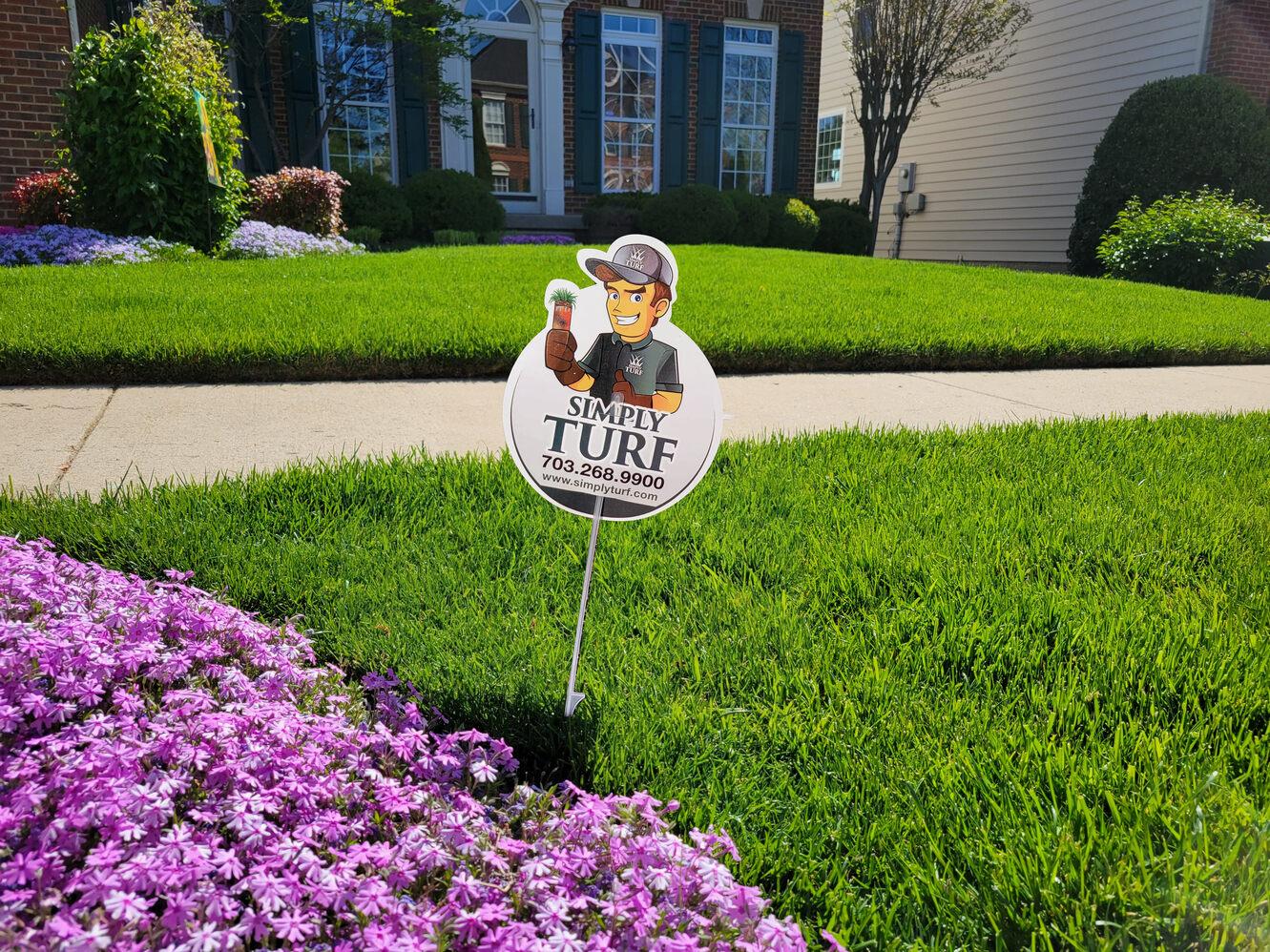
A deep green lawn with a Simply Turf yard sign beside pink flowers

Get your instant quote.

Your address first, then 7 quick questions. Rather talk? You can call (703) 268-9900 or text us.